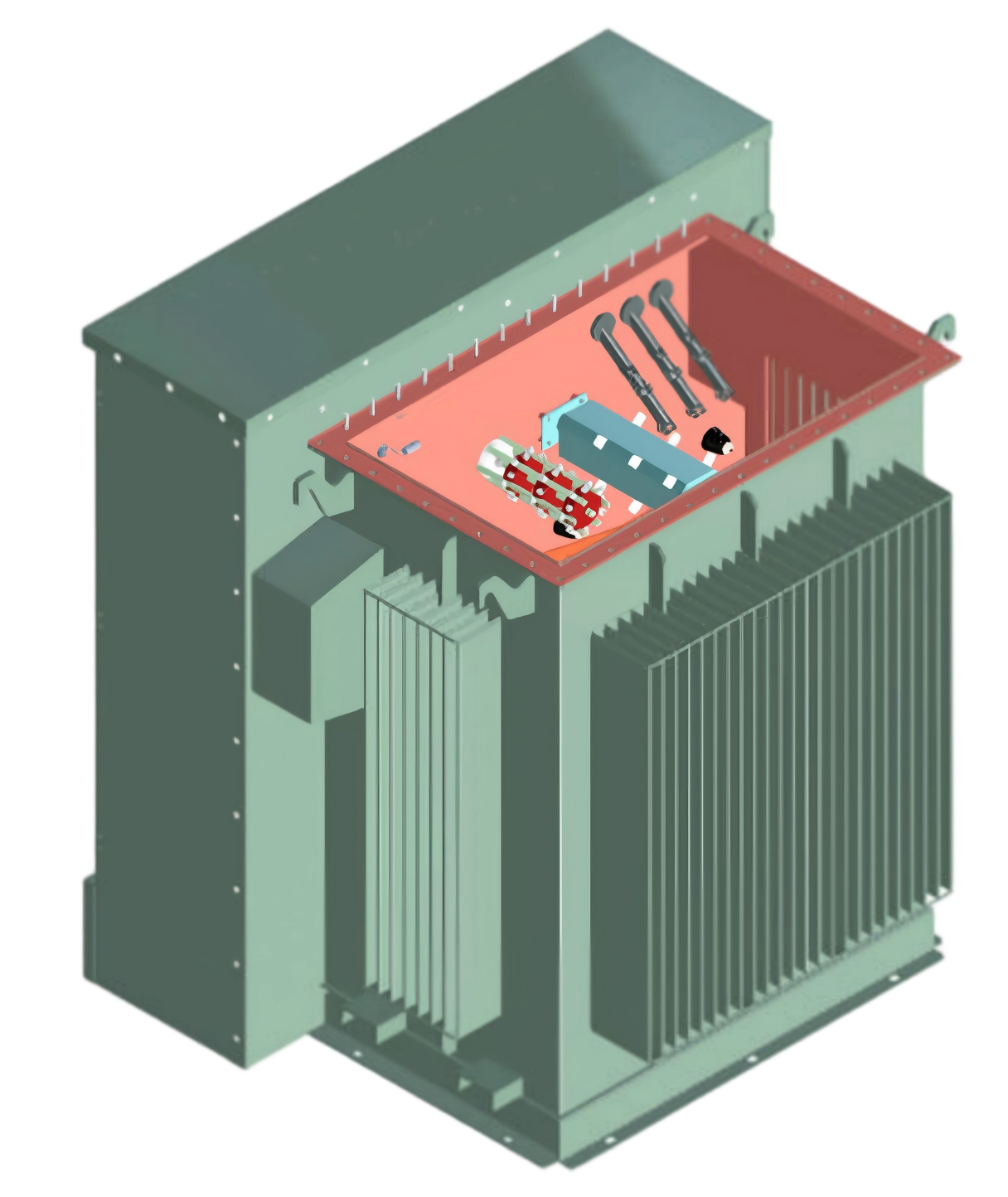
Resin cast dry type transformer automated 3D software supplier
Overview of Resin Cast Dry Type Transformers
Resin cast dry type transformers are critical components in electrical power systems, distinguished by their robust design and insulation properties. These transformers utilize resin as an insulating medium, providing superior resistance to environmental factors such as moisture and dust. The technology has gained traction due to its safety features and reduced maintenance requirements.
Significance of Automation in Transformer Design
As the demand for efficient and reliable power solutions grows, automating the design processes for transformers has become imperative. Automated 3D software tools enhance design accuracy and significantly reduce the time taken to develop complex transformer models. This automation not only optimizes workflow but also enables engineers to focus on innovation and problem-solving rather than mundane drafting tasks.
PUTUO's Role in the Transformer Industry
PUTUO, founded in 2006 in Jiangsu, China, has established itself as a pivotal player in the transformer sector. With a workforce of 162 professionals, the company excels in providing both technical support and design services specifically tailored for various types of transformers, including pad-mounted and pole-mounted single-phase transformers. This dual focus allows PUTUO to understand the intricate needs of electrical equipment manufacturers while offering them advanced software solutions.
3D Design Software for Transformer Engineers
At the forefront of PUTUO's offerings is its dedicated 3D automatic drawing tool, which is designed explicitly for transformer designers. This software simplifies the modeling process, allowing engineers to create, modify, and visualize transformer designs efficiently. By integrating user-friendly features and sophisticated algorithms, the tool enhances design precision and reduces the likelihood of errors, thus fostering a more professional and expert approach to transformer design.
Key Features of PUTUO's 3D Software
- User-Centric Interface: The software is designed with an intuitive interface, enabling quick navigation and ease of use for engineers of varying expertise.
- Automated Features: Automation in drawing processes, including dimensioning and component placement, helps speed up the design cycle.
- Integration Capabilities: The tool can be seamlessly integrated with existing engineering software, enhancing its utility within established workflows.
- Customization Options: Users can customize templates and components, enabling a more tailored approach to each project.
- Real-Time Visualization: The ability to visualize designs in real-time aids in immediate feedback and reduces the need for extensive revisions.
Benefits of Using Automated 3D Software
The implementation of automated 3D software, such as that offered by PUTUO, can lead to several tangible benefits for transformer design processes. First and foremost, the time savings associated with automated drafting can be redirected toward more critical aspects of engineering, such as analyzing and optimizing design efficiency. Furthermore, with enhanced accuracy, the risk of costly mistakes diminishes, providing a more reliable pathway to successful project completion.
Impact on Industry Standards
By employing advanced automation tools, companies can elevate their design processes to meet the stringent demands of modern electrical standards. The improved workflow not only adheres to safety protocols but also aligns with sustainable practices by minimizing material waste and rework. As a result, organizations can achieve better compliance with industry regulations while establishing a competitive edge in the marketplace.
Conclusion
The evolution of resin cast dry type transformers, coupled with the advent of automated 3D software like that offered by PUTUO, marks a significant advancement in the electrical engineering sector. This synergy between innovative design tools and high-performance transformers embodies the future of efficient and reliable power solutions, ultimately contributing to a more sustainable energy landscape.