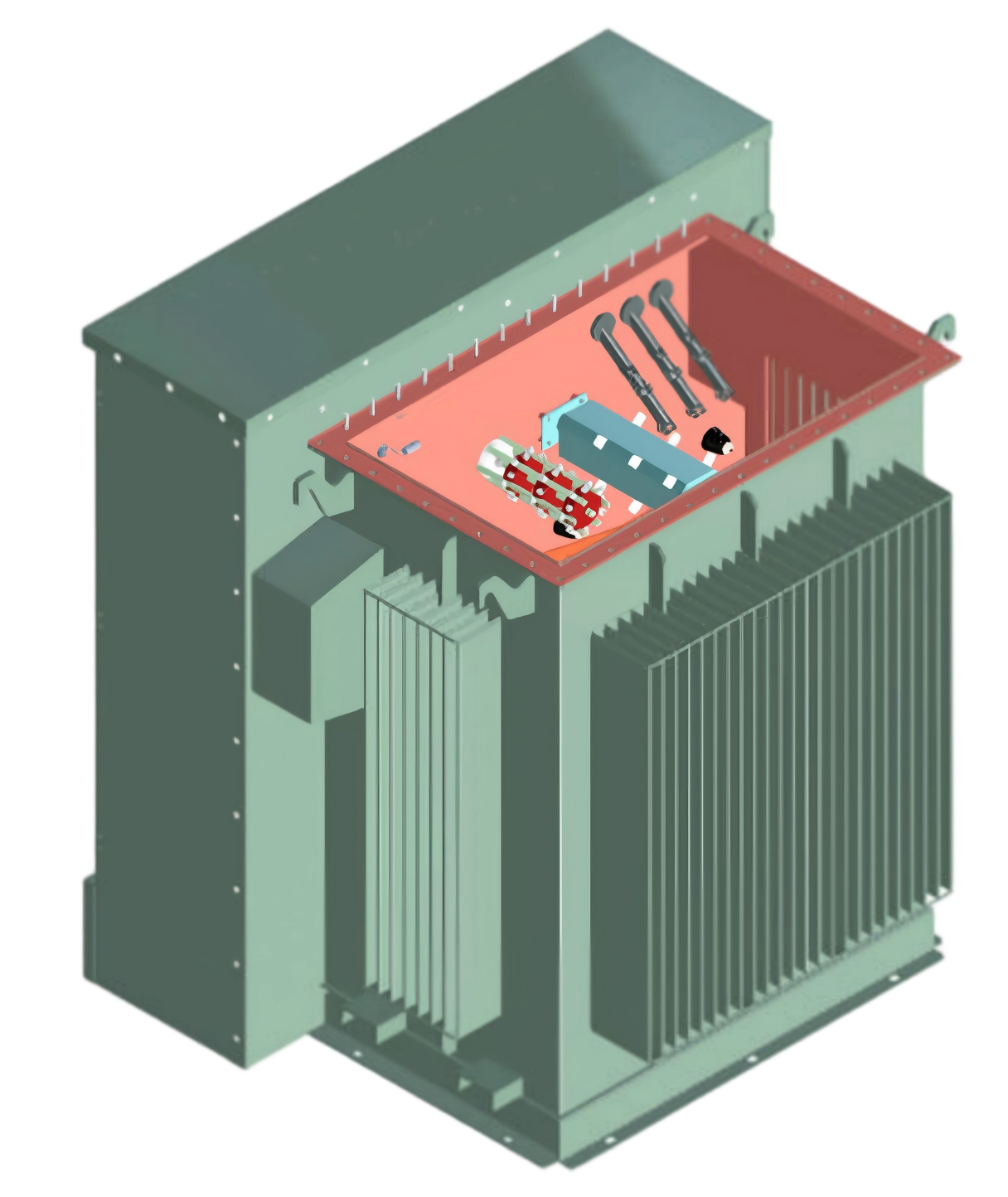
Resin cast dry type transformer automated 3D software sales
The Rise of Automated 3D Software in Transformer Design
In the world of electrical engineering, the demand for efficiency and precision has never been higher. One of the most significant advancements is the introduction of automated 3D software specifically designed for transformer design. Companies like PUTUO have been at the forefront of this revolution, providing innovative solutions that streamline the design process for power transformers.
Why 3D Software Matters
3D modeling software isn't just a fancy tool; it’s a game changer. Engineers can visualize and modify designs in real time, drastically reducing the risk of errors that can arise from traditional 2D designs. With the increasing complexity of transformers, especially pad-mounted and pole-mounted single-phase transformers, having an automated system means you can crank out designs faster and more accurately.
- Efficiency: Automation cuts down design time significantly.
- Accuracy: Minimizes human error during the design phase.
- Integration: Easily integrates with other engineering tools.
PUTUO’s Unique Offering
Founded in 2006 in Jiangsu, China, PUTUO has built a reputation not just as a transformer manufacturer but also as a provider of technical support and design services. This dual role allows them to understand the needs of their clients deeply. With 162 employees dedicated to innovating and refining their offerings, PUTUO is committed to pushing the boundaries in transformer technology.
One standout feature of their software is its user-friendly interface, which allows designers from various backgrounds to quickly adapt and start producing quality work. You don’t need a PhD in engineering to get started; just some basic knowledge and a willingness to learn. And trust me, after a few hours with the PUTUO 3D tool, you'll be creating designs that would make any seasoned engineer proud.
Real-World Applications
Imagine a scenario where a utility company needs a pad-mounted transformer to be designed on a tight deadline. With traditional methods, this can take weeks. But, with PUTUO’s automated 3D software, the design can often be completed in a matter of days or even hours! This speed doesn’t just save time; it also saves money, allowing companies to allocate resources more effectively.
The Technical Edge of 3D Modeling
What sets PUTUO’s software apart is its ability to handle complex geometries and specifications. The software can automatically generate various design variations, allowing engineers to evaluate multiple options without starting from scratch each time. And let’s be honest, who wouldn’t want to avoid the tedious task of redrawing designs?
- Customization: Easily modify designs to meet specific requirements.
- Visualization: Enhanced visual representation helps in stakeholder presentations.
- Documentation: Automatically generates necessary documentation for compliance and approval processes.
Training and Support
Another significant advantage of partnering with PUTUO is their commitment to training. The company offers extensive support to ensure that users can maximize the utility of their 3D software. From webinars to one-on-one training sessions, they go the extra mile to ensure that engineers are not just using the software, but mastering it.
And let’s face it, technology can be daunting. But with the right support, it becomes a powerful ally in an engineer's toolkit.
The Future of Transformer Design
As the energy sector continues to evolve, so too will the tools that support it. With the rise of renewable energy sources and the need for smarter grids, the demand for efficient designs will only increase. Automated 3D software like that from PUTUO will likely become indispensable tools for electrical engineers. The trend is clear: those who embrace automation will lead the pack.
In summary, it's not just about making things easier; it’s about fostering innovation. Companies that recognize the importance of efficient design processes are already ahead of the curve. So, if you’re in the business of transformer design, it might be time to consider integrating automated 3D software into your workflow.