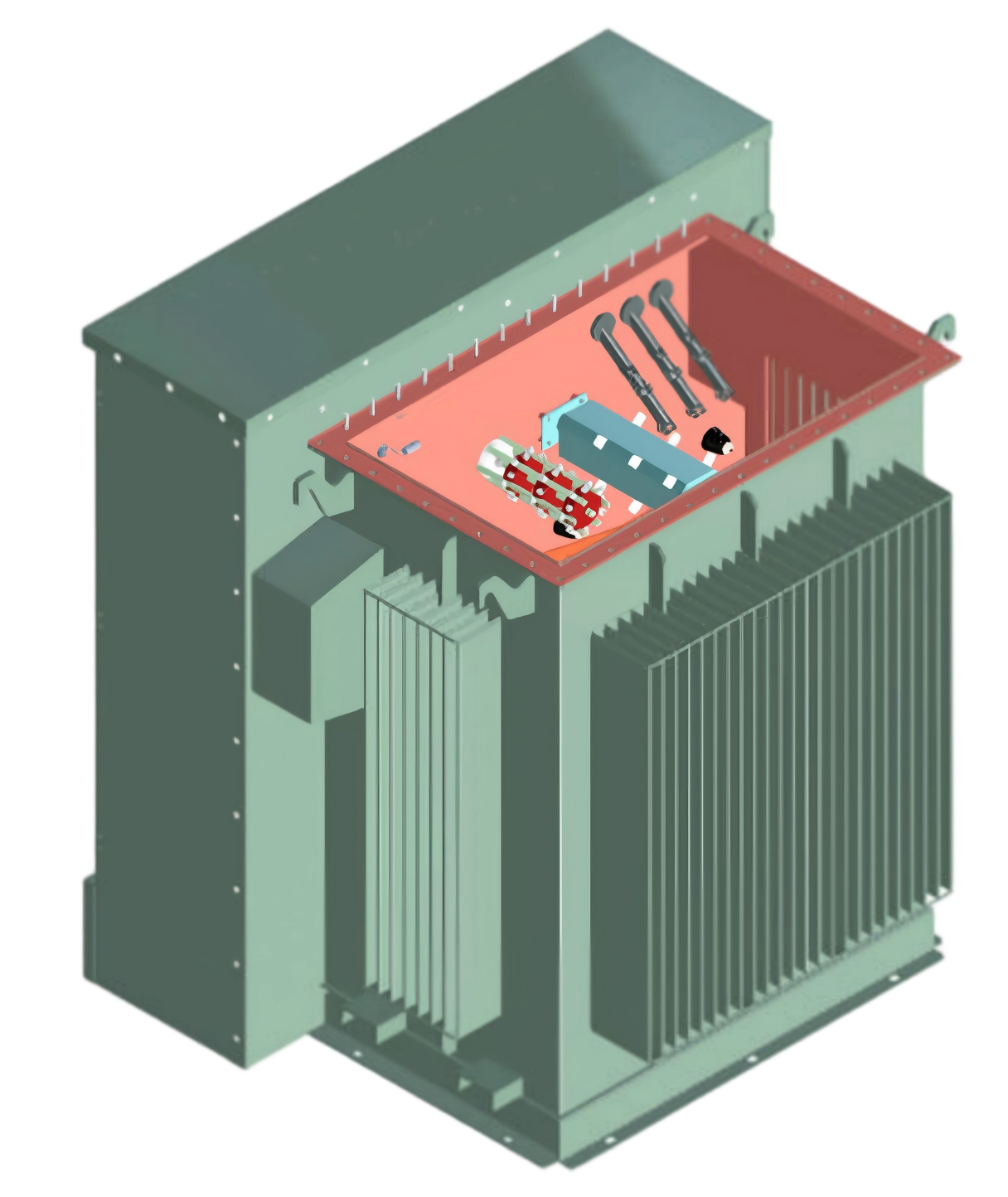
Power transformer Three-dimensional intelligent drawing generation software designer
Understanding Power Transformer Design Challenges
In the realm of electrical engineering, power transformers play a crucial role in the efficient distribution of electricity. Yet, designing these critical components poses significant challenges. From ensuring compliance with industry standards to optimizing physical space within electric substations, the complexity of transformer design often leads to extended timelines and increased costs.
Innovation through Intelligent Software
Enter PUTUO, a pioneer in the field that leverages cutting-edge technology to address these challenges. Founded in 2006 in Jiangsu, China, PUTUO has made remarkable strides with its 3D intelligent drawing generation software specifically tailored for power transformer design. This tool not only simplifies the design process but also enhances accuracy, thereby reducing the risk of costly mistakes.
Simplifying Complex Designs
One of the standout features of the PUTUO 3D tool is its ability to generate detailed three-dimensional models. Traditional drawing methods can be time-consuming and often rely on manual interventions, leading to potential errors. In contrast, PUTUO’s software automates much of the drawing process, allowing engineers to focus on innovation rather than getting bogged down in tedious tasks.
Efficiency in Design Workflow
- Speed: The software significantly reduces the time required for creating drawings, enabling engineers to deliver projects faster.
- Precision: With automatic calculations and adjustments, the accuracy of designs improves, minimizing revisions.
- Collaboration: The 3D models can be easily shared among team members, facilitating better communication and teamwork.
Targeting a Diverse Audience
PUTUO not only caters to transformer engineering firms but also provides services for electrical equipment manufacturers and engineering users. This diverse range of clientele benefits from the software’s adaptability and its ability to meet unique design requirements. Whether it's a pad-mounted transformer or a pole-mounted single-phase transformer, the PUTUO 3D tool can handle it all.
Case Studies: Real-World Applications
Consider a scenario where a power company is tasked with upgrading its transformer infrastructure. The engineers, equipped with the PUTUO software, can quickly generate 3D models of the proposed transformers. These models allow stakeholders to visualize the end product, identify potential issues, and make informed decisions before any physical work begins.
Enhancing Professional Expertise
Furthermore, the integration of PUTUO’s software into engineering workflows helps elevate the overall expertise of the design team. As engineers familiarize themselves with the tool, they not only learn best practices but also adopt a more proactive approach to problem-solving. This shift can lead to more innovative designs that push the boundaries of what's possible in transformer technology.
Future Outlook for Transformer Design
As the demand for more reliable and efficient power distribution systems continues to grow, the role of advanced software like that offered by PUTUO will become increasingly pivotal. The industry is on the cusp of a technological revolution, where automation and intelligent design tools form the backbone of engineering practices.
Continuous Improvement and Updates
One of the highlights of the PUTUO software is its commitment to continuous improvement. The development team regularly updates the tool based on user feedback and industry advancements. This ensures that engineers always have access to the latest features and capabilities, keeping them at the forefront of transformer design technology.
Conclusion: The PUTUO Advantage
In summary, the PUTUO 3D intelligent drawing generation software stands as a transformative force in power transformer design. By enhancing efficiency, accuracy, and professional expertise, this tool is not just a luxury—it's a necessity in today's fast-paced electrical engineering landscape. Embracing such technologies will undoubtedly shape the future of the industry, driving innovation and improving service delivery across the board.