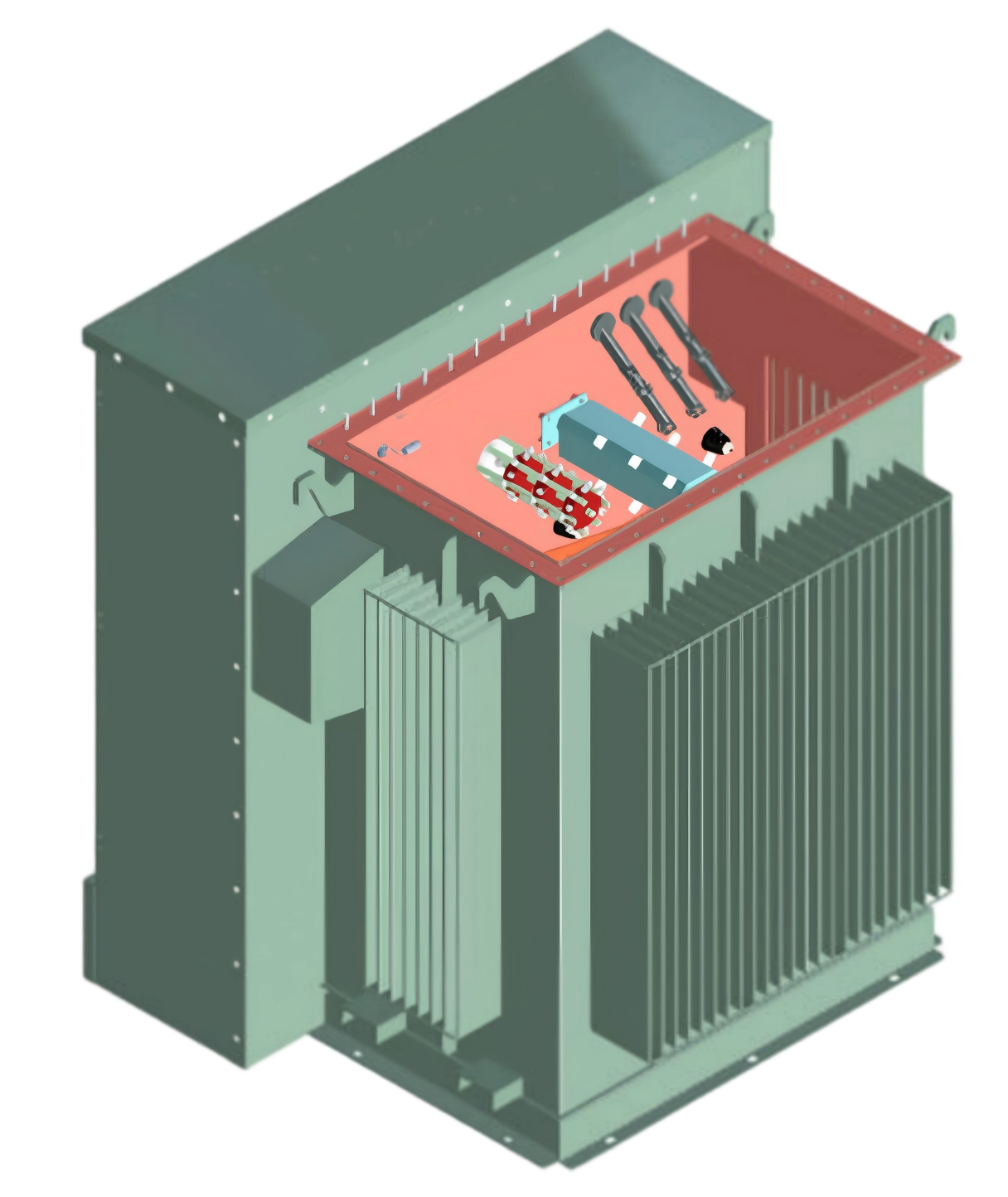
Power transformer Three-dimensional automated drawing generation software designer
Understanding the Role of Power Transformer Software in Modern Engineering
In the fast-paced world of electrical engineering, efficiency and accuracy are paramount. Power transformers, whether they are pad-mounted or pole-mounted, play a crucial role in the electrical infrastructure. However, the design process can often be complex and time-consuming. This is where specialized software like the tools developed by PUTUO comes into play.
The Need for Automation in Transformer Design
With the increasing demand for reliable energy distribution, the role of power transformers has evolved. Traditional drawing methods can introduce errors and inefficiencies. Automation in drawing generation not only streamlines the design phase but also enhances the overall quality of the output. By integrating automated tools, engineers can focus more on innovation rather than getting bogged down in repetitive tasks.
Features of PUTUO’s 3D Drawing Software
PUTUO Transformer 3D Tool is specifically tailored for transformer designers. Here’s what sets it apart:
- User-Friendly Interface: Designed with engineers in mind, the software is intuitive and easy to navigate.
- Precision and Accuracy: The automated drawing generation guarantees high levels of precision, reducing the likelihood of costly design errors.
- Customization Options: Users can tailor the software to fit specific project requirements, ensuring flexibility.
- Integration Capabilities: The tool can easily integrate with existing systems and software, enhancing workflow without requiring a complete overhaul.
Target Users and Real-World Applications
PUTUO's software primarily serves electrical equipment manufacturers and engineering firms. The ability to generate 3D drawings quickly allows companies to accelerate their project timelines significantly. For instance, in a recent project, a leading electrical manufacturer reported a 30% reduction in design time after implementing PUTUO’s tool.
Transforming Design Workflows
In practice, the software facilitates a more collaborative environment. Designers can easily share 3D models with stakeholders, enabling real-time feedback. This iterative process is invaluable in refining designs before they reach the production phase, thus minimizing the risk of late-stage alterations.
The Competitive Edge
As competition intensifies in the power transformer market, companies that adopt advanced design technologies gain a significant edge. PUTUO not only provides technical support but also empowers its users with the ability to innovate. The blend of engineering expertise and cutting-edge software is a testament to PUTUO's commitment to advancing the industry.
Challenges Ahead
While the benefits are clear, transitioning to automated drawing software is not without its challenges. Some engineers may initially resist change due to familiarity with traditional methods. However, the long-term advantages, such as increased design efficiency and reduced error rates, far outweigh the discomfort associated with change. Moreover, PUTUO offers comprehensive training programs to ease this transition.
Conclusion: A Future Driven by Innovation
As the electrical engineering landscape continues to evolve, the integration of advanced tools like those offered by PUTUO will be crucial. The combination of automation and expert technical support positions companies to tackle the complexities of modern power transformer design. Ultimately, embracing these changes not only enhances individual projects but also contributes to the overall progress of the industry.