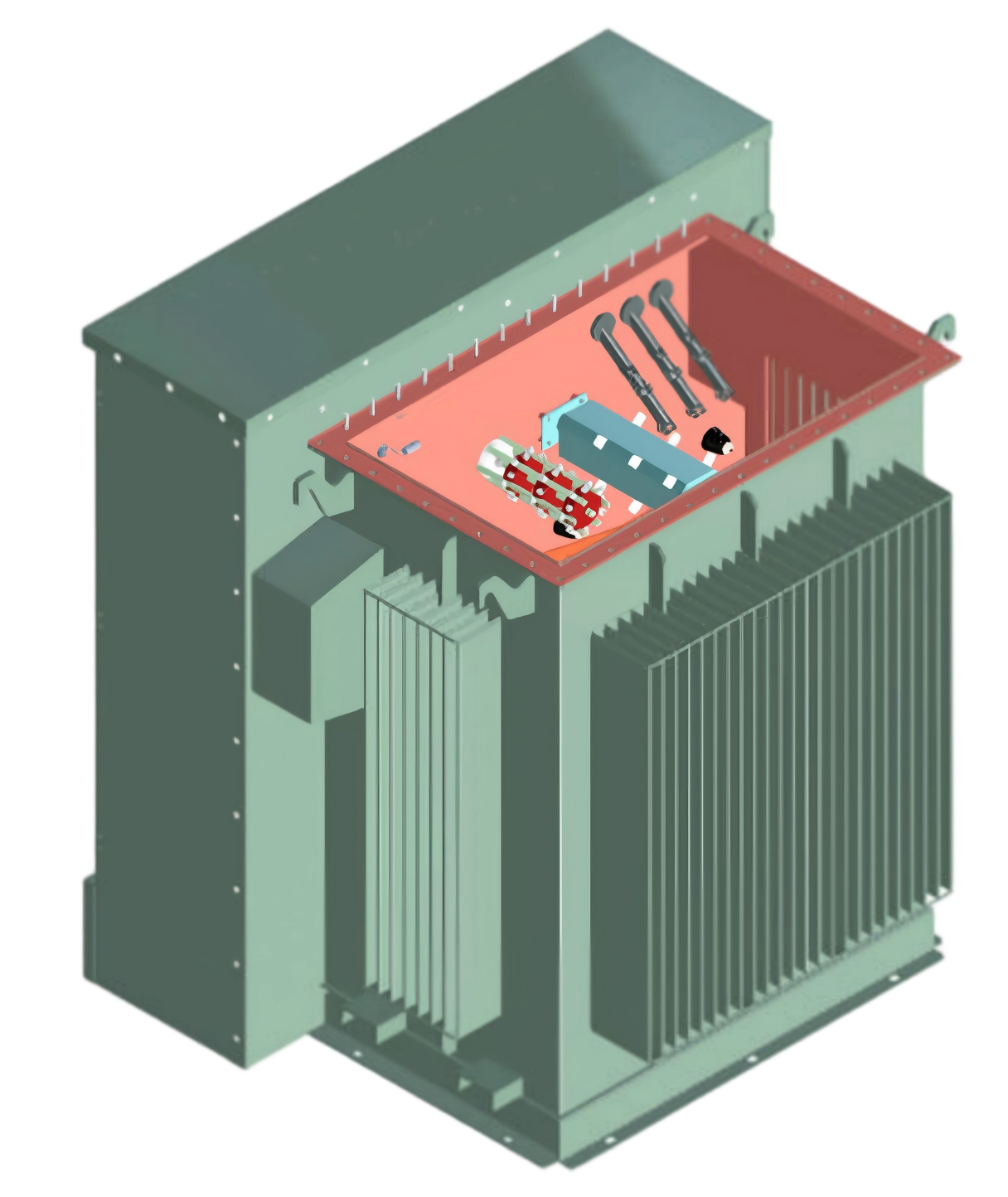
Pad mounted transformer Three-dimensional intelligent drawing generation tool sales
Understanding the Need for Efficient Transformer Design
In today’s fast-paced power industry, the need for speed and accuracy in transformer design is paramount. As electrical equipment manufacturers face increasing demands, the role of innovative tools becomes even more critical. Enter the PUTUO 3D Tool, a game-changer in the realm of pad-mounted transformers.
What is PUTUO 3D Tool?
Founded in 2006 in Jiangsu, China, PUTUO specializes in providing technical support and design services tailored for power transformers. With a dedicated team of 162 employees, the company has carved a niche as both an engineering service provider and a developer of intelligent drawing generation tools. The PUTUO 3D Tool stands out by offering an integrated solution designed specifically for transformer designers.
Key Features of the PUTUO 3D Tool
- Automated Drawing Generation: One of the standout features of the PUTUO 3D Tool is its ability to automate the drawing process. This not only saves time but also minimizes errors that often accompany manual drafting.
- Enhanced Design Efficiency: The tool allows designers to focus more on creativity and problem-solving rather than getting bogged down in repetitive tasks. This shift can lead to remarkable improvements in overall project timelines.
- Professional Expertise: By leveraging advanced algorithms and intuitive interfaces, the PUTUO 3D Tool helps users enhance their design capabilities, making them more proficient in their field.
Benefits for Electrical Equipment Manufacturers
For electrical equipment manufacturers, the PUTUO 3D Tool can be a significant asset. The tool provides a comprehensive platform that integrates various aspects of transformer design, thereby streamlining the workflow. This is particularly beneficial given the complex nature of pad-mounted transformers, where precision is critical.
Cost-Effectiveness
In an industry where margins can be tight, the PUTUO 3D Tool helps in cutting costs by reducing the time spent on designs. This means that engineers can take on more projects within the same timeframe, effectively increasing profitability. Moreover, the reduction in errors due to automated processes can lead to lower material costs and fewer reworks.
Adaptability and Customization
One of the most appealing aspects of the PUTUO 3D Tool is its adaptability. Whether it’s a pad-mounted transformer or a pole-mounted single-phase transformer, the tool can be customized to meet specific project requirements. This flexibility allows companies to cater to diverse client needs without compromising on quality.
Real-World Applications
Manufacturers are already seeing tangible results. With the PUTUO 3D Tool, companies have reported reductions in design time by up to 30%. This efficiency enables faster project completion, which is essential in a competitive market. Furthermore, the tool’s intelligent drawing capabilities mean that even less experienced designers can produce professional-grade work, leveling the playing field.
User-Friendly Interface
The PUTUO 3D Tool boasts a user-friendly interface that allows for a smooth learning curve. This is crucial for companies looking to onboard new talent quickly. In a world where the gap in skills can be a limiting factor, having accessible tools is invaluable.
Conclusion: The Future of Transformer Design
As we move forward, it’s clear that tools like the PUTUO 3D Tool will play an essential role in shaping the future of transformer design. The combination of automation, efficiency, and user-centric design makes it a must-have for electrical equipment manufacturers aiming to stay ahead in the game. With technology evolving at a rapid pace, the integration of intelligent drawing tools will likely become the industry standard.
For those involved in the design and manufacturing of transformers, adopting the PUTUO 3D Tool isn’t just an option; it’s becoming a necessity. As the market demands more efficiency and precision, the tools we use must evolve accordingly, ensuring that we not only meet but exceed expectations.