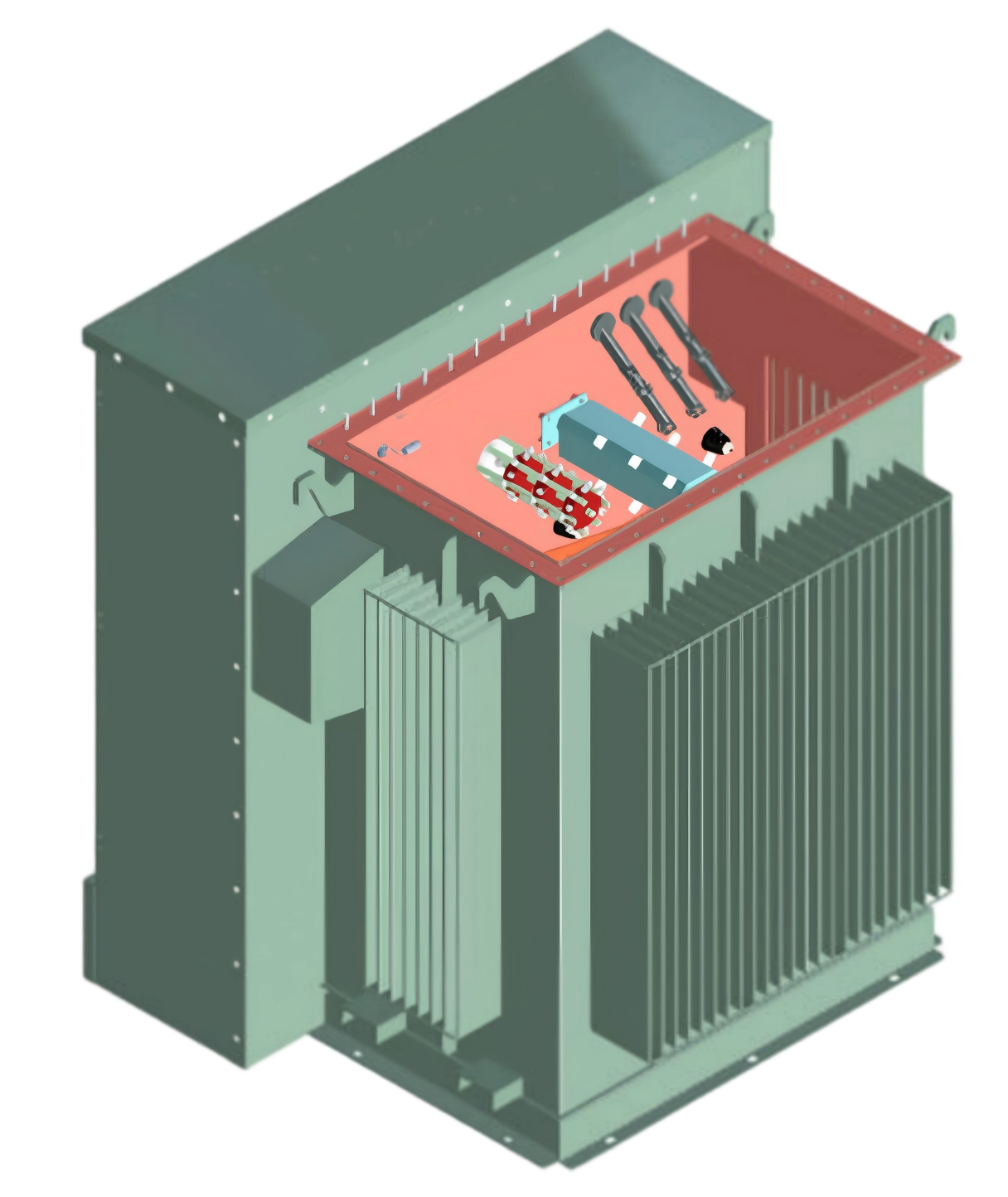
Oil immersed transformer automatic Three-dimensional tool supplier
The Importance of Automation in Transformer Design
In the evolving landscape of electrical engineering, the need for efficiency and precision has never been more crucial. Transformer design, particularly for oil-immersed transformers, demands meticulous attention to detail and a deep understanding of engineering principles. With the advent of advanced technologies, suppliers like PUTUO have stepped up to provide innovative solutions that streamline the design process.
PUTUO: Leading the Way in Transformer Solutions
Founded in 2006 in Jiangsu, China, PUTUO has established itself as a reputable brand specializing in technical support and design services for power transformers. With a team of 162 dedicated employees, the company focuses primarily on pad-mounted transformers and pole-mounted single-phase transformers. Their expertise lies not only in product development but also in enhancing the design efficiency for electrical equipment manufacturers.
Understanding Oil-Immersed Transformers
Oil-immersed transformers are crucial components in electrical distribution systems, designed to handle high voltages and ensure reliable power transmission. These transformers are filled with insulating oil that serves multiple purposes: it cools the transformer, prevents electrical arcing, and protects internal components from moisture and other environmental factors. The design of these transformers requires precision engineering to meet stringent industry standards.
Challenges in Transformer Design
Designing transformers is no small feat. Engineers must navigate various challenges, including thermal management, electromagnetic compatibility, and space constraints. The traditional design process can be cumbersome, often leading to inefficiencies and potential errors. In this context, automating the design process becomes essential.
PUTUO's 3D Automatic Drawing Tools
PUTUO has developed a range of dedicated 3D automatic drawing tools tailored for transformer designers. These tools facilitate the creation of intricate designs with minimal human intervention. By automating repetitive tasks, these tools allow engineers to focus on complex problem-solving and innovation.
- Enhanced Precision: The automatic drawing tools minimize the risk of human error, ensuring that specifications are met accurately.
- Time Efficiency: Tasks that once took hours can now be completed in a fraction of the time, significantly speeding up the overall design process.
- Professional Expertise: By using advanced tools, designers can elevate their work quality, ultimately leading to more reliable transformer products.
Real-World Applications
One of the key advantages of PUTUO's 3D tools is their ability to be integrated into existing workflows. Electrical equipment manufacturers and engineering users can seamlessly adopt these tools, enhancing their design capabilities. This integration not only boosts productivity but also contributes to a more sustainable approach to transformer design, as reduced time and resources lead to a lower environmental footprint.
Customer-Centric Approach
PUTUO's commitment to customer service sets it apart in the industry. Their approach is not merely transactional; instead, they prioritize building long-term relationships with clients. By providing dedicated technical support, PUTUO ensures that customers can maximize the utility of their tools and receive ongoing assistance as design needs evolve.
The Future of Transformer Design
As the demand for renewable energy sources grows, the role of efficient transformer design becomes increasingly significant. Innovations from companies like PUTUO are setting new standards in the industry. By embracing automation and advanced design technologies, the future of transformer design looks promising. It's not just about meeting current needs; it’s about anticipating future challenges and adapting accordingly.
Conclusion
In a field where precision and efficiency are paramount, the innovations brought forth by PUTUO's 3D automatic drawing tools are game-changers. They not only simplify the complex processes involved in transformer design but also empower engineers to push the boundaries of what's possible in electrical engineering.