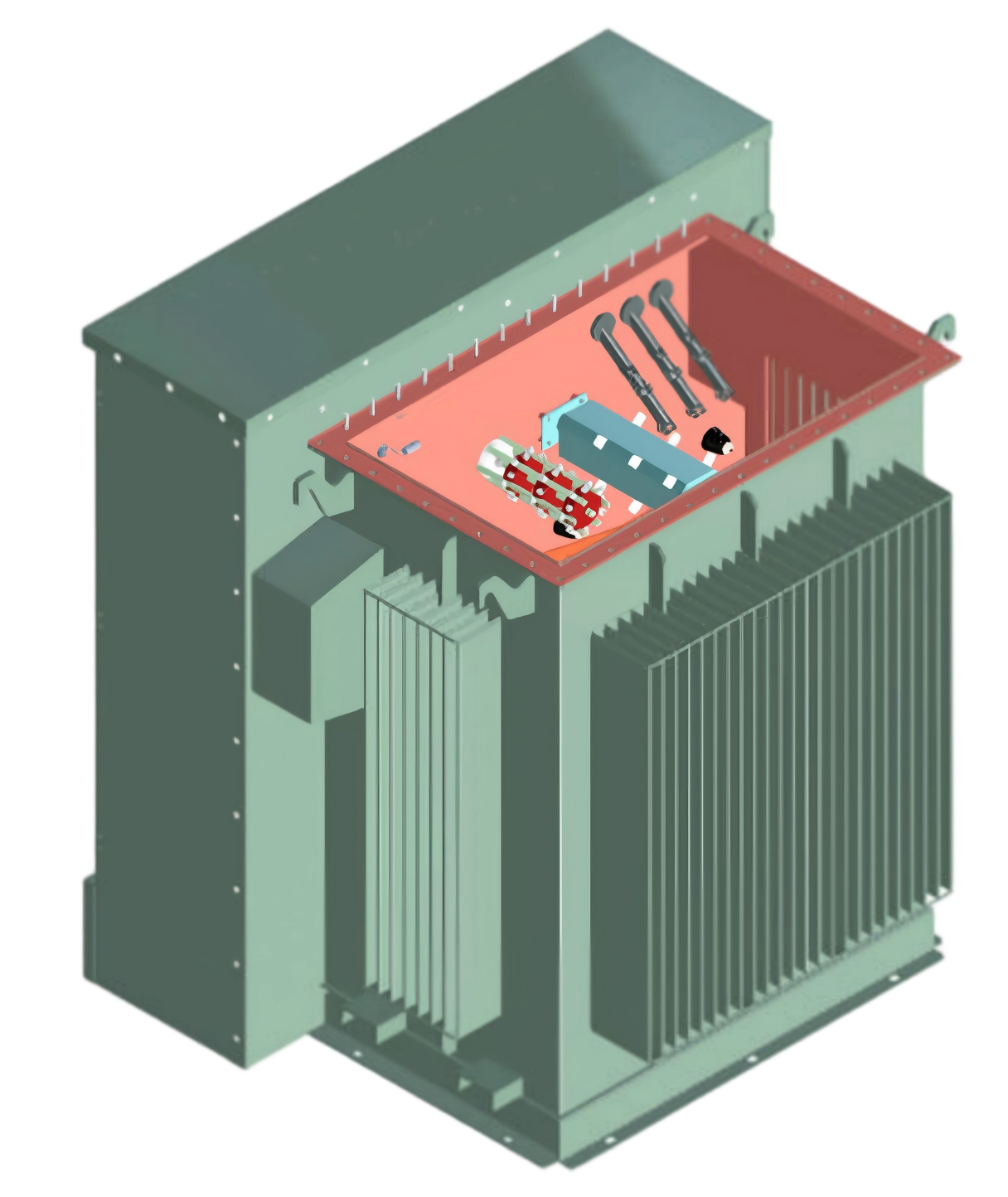
Medium voltage transformer automated Three-dimensional tool designer
The Evolution of Medium Voltage Transformer Design
As the demand for efficient energy solutions continues to rise, the intricacies of transformer design have become more critical than ever. Specifically, medium voltage transformers play a pivotal role in ensuring reliable power distribution. One company making significant strides in this field is PUTUO, a Jiangsu-based firm that has been leading the way in transformer design and technical support since its inception in 2006.
Understanding Medium Voltage Transformers
Medium voltage transformers are essential for stepping down high voltage levels to usable voltages in various applications, from industrial to utility-scale systems. They are designed to manage power levels typically ranging from 1 kV to 35 kV. These transformers are often found in pad-mounted and pole-mounted configurations, each serving specific needs in terms of installation and operation.
PUTUO's Role in the Industry
With a dedicated workforce of 162 employees, PUTUO has carved out a niche as both a transformer engineering service provider and a developer of specialized 3D automatic drawing tools. This dual approach not only supports electrical equipment manufacturers but also aids engineering users in enhancing their design capabilities.
Revolutionizing Design Efficiency
Designing transformers isn't just about iron and copper; it's an intricate process that requires precise calculations and attention to detail. PUTUO's 3D design tools streamline this process. By automating the drawing of transformer components, these tools allow designers to visualize their work in a three-dimensional space, significantly reducing the time spent on manual drafting. This automation is particularly beneficial in a field where accuracy is paramount, as even minor errors can lead to costly fixes.
Key Features of PUTUO 3D Tools
- Intuitive User Interface: Designed with user experience in mind, the software allows engineers to operate with minimal training.
- Customizable Solutions: The tools can be tailored to meet specific client requirements, making them versatile for various projects.
- Enhanced Collaboration: By providing a common platform for teams, the software fosters better communication and reduces misunderstandings during the design phase.
Challenges in Transformer Design
The transformer design process isn't without its hurdles. Engineers must consider factors such as thermal management, electromagnetic compatibility, and overall system integration. In my opinion, one of the biggest challenges is balancing efficiency with cost. The demand for high-performance transformers can lead to increased material and manufacturing costs, which can be a significant barrier for smaller companies.
Future Trends in Transformer Technology
As technology continues to evolve, so too does the design of transformers. The integration of smart technologies and IoT capabilities is becoming increasingly prevalent. These advancements enable transformers to communicate data about their performance, allowing for predictive maintenance and enhanced reliability. I believe that companies like PUTUO are at the forefront of this revolution, paving the way for more intelligent and adaptive power solutions.
Conclusion
In conclusion, the landscape of medium voltage transformer design is rapidly changing, driven by the need for higher efficiency and advanced technology. With PUTUO leading the charge in automating the design process, the future looks promising for both engineers and manufacturers alike. As the industry continues to adapt to new challenges, innovations in design tools and methodologies will be vital in ensuring that we meet the growing demands of the energy sector.