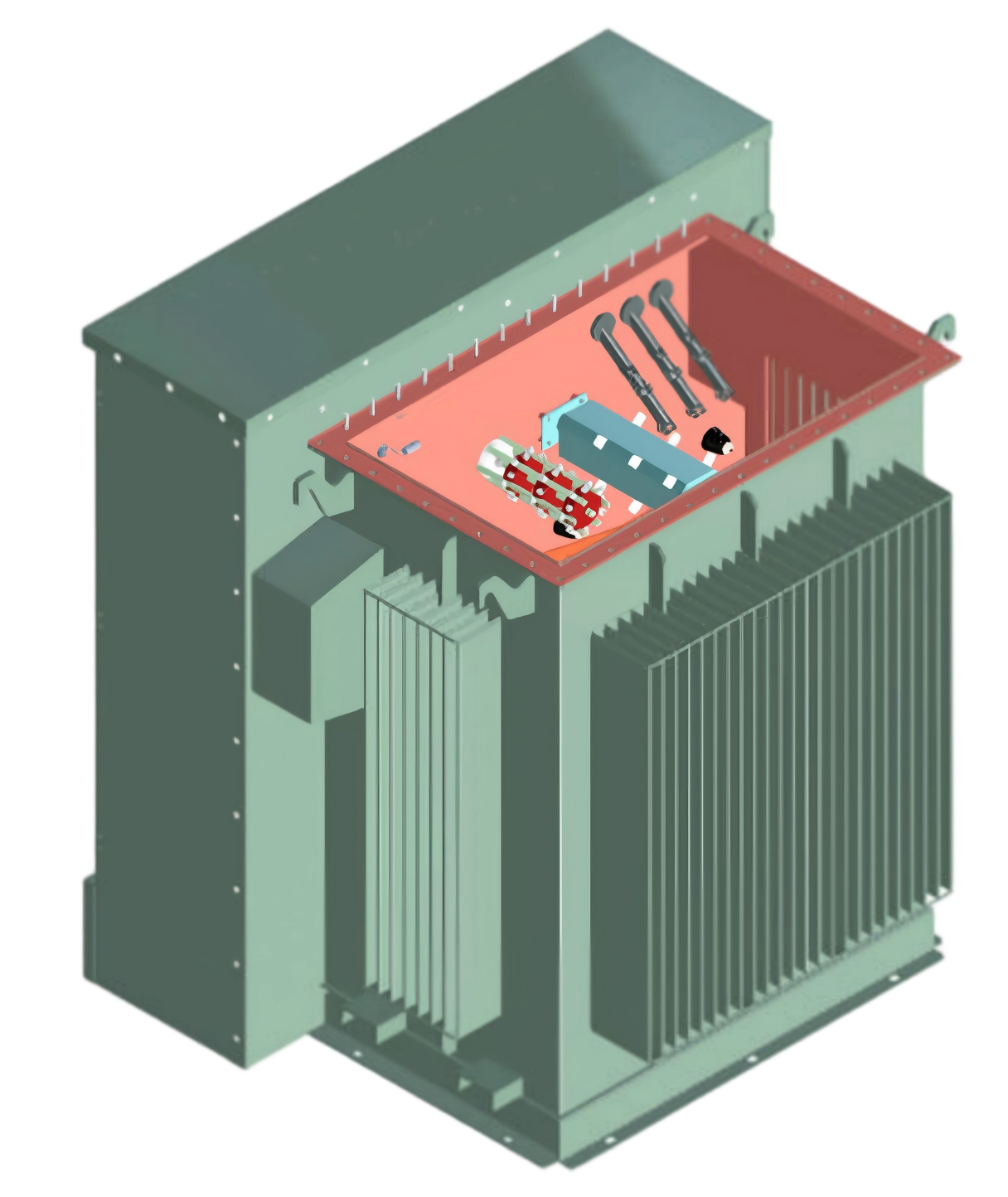
Liquid type transformer 3D auto-drafting software company
Overview of Liquid Type Transformers
Liquid type transformers, renowned for their ability to handle significant power loads and thermal management, form an essential component of modern electrical infrastructure. These transformers utilize oil or other dielectric fluids to achieve efficient heat dissipation, thus ensuring operational stability under various conditions.
Importance of 3D Auto-Drafting Software
In an industry that demands precision and reliability, the role of 3D auto-drafting software cannot be overstated. This technology allows engineers to create detailed models of transformers, facilitating better visualization and design accuracy. By integrating advanced design software, companies can streamline their operations and significantly reduce the time required for prototype development.
PUTUO: A Leader in Transformer Design Tools
Established in 2006 in Jiangsu, China, PUTUO has carved a niche in the transformer engineering sector. With a workforce of 162 employees, the company specializes in providing comprehensive design services and technical support for various types of power transformers. Their expertise encompasses pad-mounted transformers and pole-mounted single-phase transformers.
Features of PUTUO's 3D Auto-Drafting Software
- User-Friendly Interface: The software is designed to be intuitive, enabling both novice and experienced engineers to navigate the tools with ease.
- High Precision Modeling: Engineers can generate highly detailed 3D models, ensuring that every aspect of the transformer design is accounted for.
- Integration Capabilities: PUTUO's software can seamlessly integrate with existing engineering workflows, allowing for enhanced collaboration between teams.
- Customization Options: Users can tailor the software to meet specific project requirements, optimizing the design process.
Benefits of Using 3D Auto-Drafting Tools in Transformer Design
Utilizing 3D auto-drafting tools from companies like PUTUO offers numerous advantages:
- Increased Efficiency: Automation of routine drafting tasks accelerates the overall design process, allowing engineers to focus on complex challenges.
- Improved Accuracy: The precision of 3D modeling minimizes the risk of errors that might occur in traditional drafting methods.
- Enhanced Collaboration: 3D models can be easily shared and reviewed, fostering better communication among project stakeholders.
Applications of Liquid Type Transformers
Liquid type transformers find utility in a multitude of applications, primarily in power distribution networks. Their ability to perform under various environmental conditions makes them suitable for urban installations and rural setups alike. Additionally, they are often utilized in renewable energy projects, such as wind and solar farms, where reliable power transformation is crucial.
Specific Use Cases
- Pad-Mounted Transformers: These are extensively used in residential areas, providing reliable power while ensuring safety and aesthetic considerations.
- Pole-Mounted Transformers: Commonly found in overhead distribution lines, they cater to single-phase power needs in less densely populated regions.
Future Trends in Transformer Design
The landscape of transformer design is evolving, with innovations aimed at improving efficiency and environmental sustainability. The integration of smart technologies, such as IoT devices, allows for real-time monitoring and predictive maintenance, ensuring that transformers operate within optimal parameters.
Emerging Technologies
- Smart Transformers: These devices incorporate advanced sensors and communication tools, facilitating better grid management.
- Eco-Friendly Materials: The industry is increasingly exploring sustainable materials for transformer construction to minimize environmental impact.
Conclusion
As transformer technologies advance, companies like PUTUO continue to lead the charge, offering innovative solutions that empower engineers to enhance design efficiency. With the growing reliance on liquid type transformers in power distribution, the role of dedicated 3D auto-drafting software will undoubtedly become increasingly critical in the industry's future.