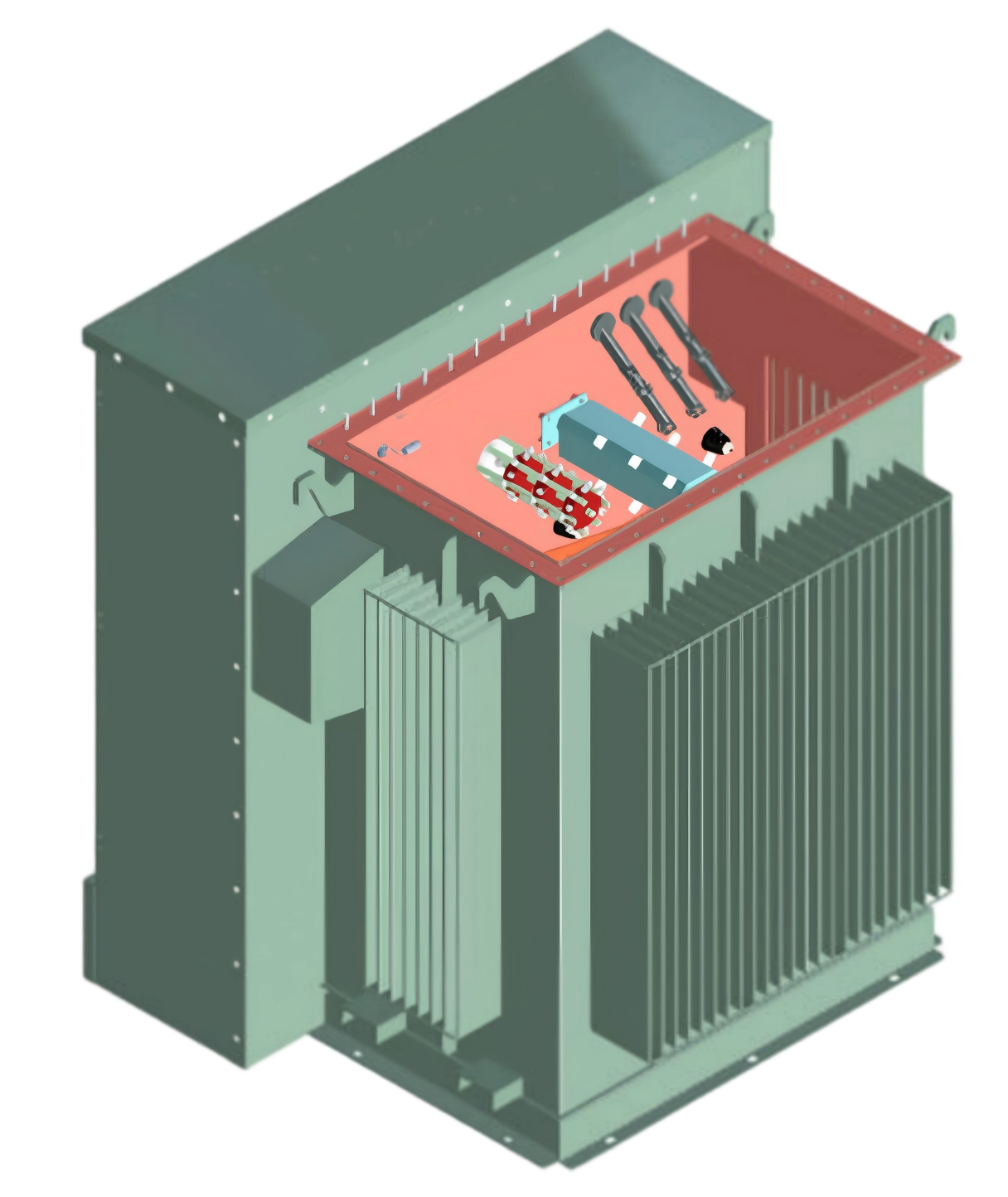
Dry type transformer Three-dimensional auto-drafting tool sales
Overview of Dry Type Transformers
Dry type transformers have emerged as a crucial component in modern electrical systems, particularly in urban environments where space is limited and safety concerns are paramount. These transformers, which do not use liquid insulation, are renowned for their reliability and minimal maintenance requirements. Their design allows for efficient heat dissipation and reduced fire hazards, making them particularly suitable for commercial and industrial applications.
Three-Dimensional Auto-Drafting Tools
The advent of three-dimensional (3D) auto-drafting tools has revolutionized the way transformer designs are created. Unlike traditional methods that often require extensive manual effort, these advanced tools simplify the design process, allowing engineers to produce detailed schematics with remarkable speed and precision. PUTUO, a Jiangsu-based company, specializes in developing such dedicated 3D automatic drawing tools, catering to the needs of transformer designers and electrical equipment manufacturers alike.
Key Features of PUTUO 3D Tools
- Intuitive User Interface: The user-friendly interface of PUTUO's 3D tools enables designers to navigate effortlessly through complex schematics.
- Dynamic Design Capabilities: These tools allow for real-time modifications, ensuring that changes are instantly reflected in the overall design.
- Interoperability: Designed to integrate seamlessly with existing CAD software, PUTUO's solutions facilitate enhanced collaboration among design teams.
- Comprehensive Support: With a dedicated technical support team, PUTUO offers assistance at every stage of the design process.
Benefits of Using 3D Auto-Drafting Tools in Transformer Design
Utilizing 3D auto-drafting tools offers numerous advantages that can significantly enhance the design process. First and foremost, these tools dramatically increase design efficiency, allowing engineers to focus more on innovation rather than tedious drafting tasks. Furthermore, the visual nature of 3D modeling fosters better understanding and communication among stakeholders, reducing the likelihood of design errors.
Enhanced Accuracy and Precision
One cannot overstate the importance of accuracy in transformer design. 3D tools, such as those developed by PUTUO, provide precise measurements and allow for detailed analysis of component interactions. This attention to detail not only minimizes errors but also ensures that the final product meets stringent industry standards and regulations.
Time and Cost Efficiency
Implementing 3D auto-drafting tools can lead to significant time savings. Traditional design methods often require multiple iterations, consuming valuable resources. By contrast, the streamlined process facilitated by PUTUO's 3D tools allows for rapid prototyping and quicker project turnaround times. Consequently, this efficiency translates into cost savings, enabling companies to allocate resources more effectively.
Market Trends and Future Directions
The demand for dry type transformers, coupled with the increasing adoption of advanced design tools, indicates a promising future for both sectors. As industries pivot toward digital solutions, the integration of artificial intelligence and machine learning in design tools seems inevitable. Such innovations could further enhance the capabilities of 3D auto-drafting tools, providing even greater efficiency and accuracy.
Industry Adoption
Many electrical equipment manufacturers are now recognizing the potential of 3D auto-drafting tools, leading to broader adoption across various sectors. Companies that embrace these innovations position themselves favorably in an increasingly competitive market, as they can deliver high-quality products while maintaining rigorous standards for safety and performance.
Conclusion
The intersection of dry type transformers and advanced 3D auto-drafting tools signifies a pivotal evolution in the electrical engineering domain. With the capabilities offered by PUTUO, designers can achieve unparalleled efficiency and accuracy, reflecting the industry's ongoing commitment to innovation and excellence. As technology continues to advance, it will be fascinating to observe how these tools reshape the landscape of transformer design.