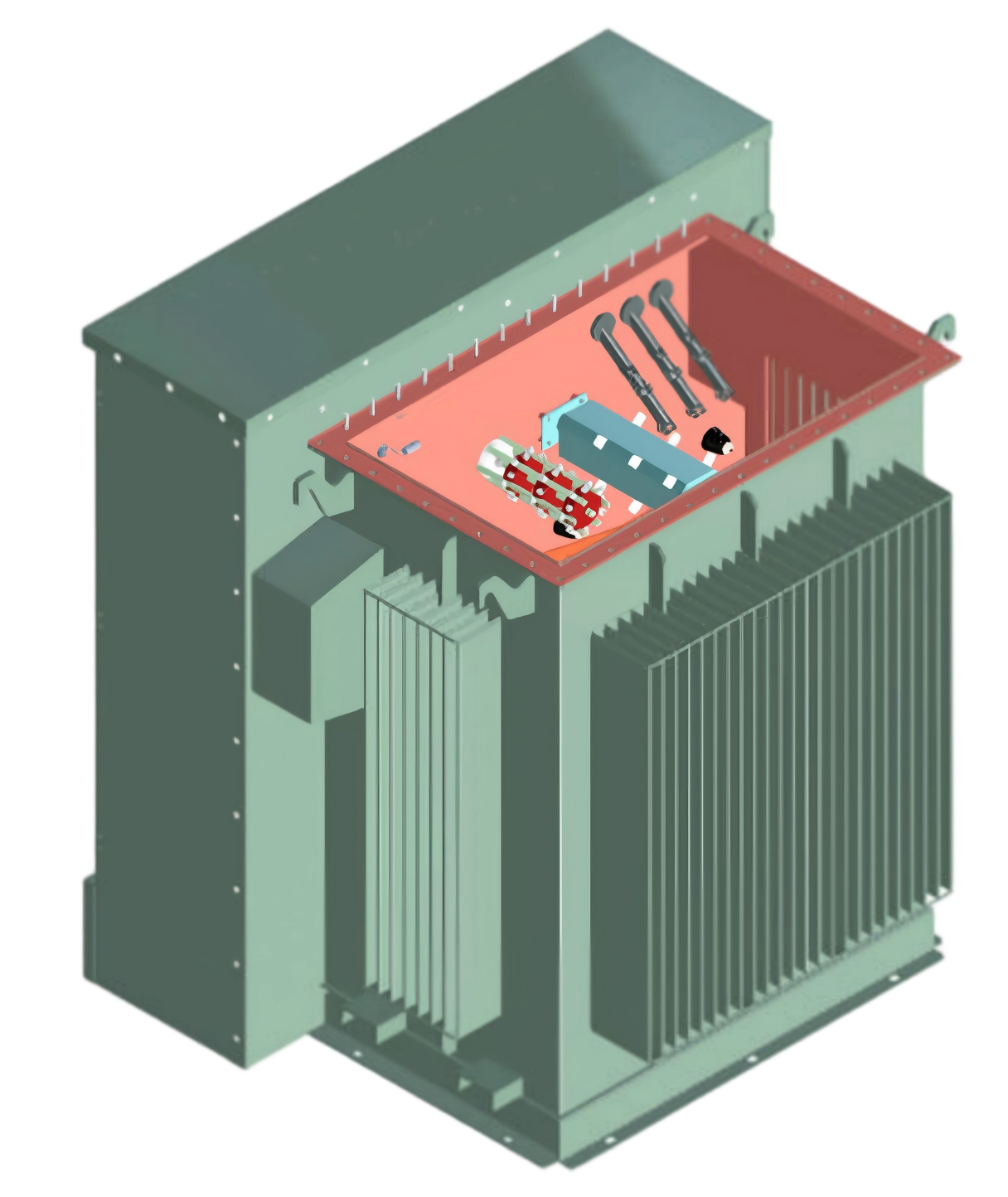
Dry type transformer 3D model automatic tool sales
The Rise of Automatic Tools in Transformer Design
In the rapidly evolving landscape of electrical engineering, the demand for efficient design tools has never been more crucial. The introduction of 3D modeling tools, particularly in the transformer industry, is revolutionizing how engineers approach their projects. Among the key players in this space is PUTUO, a Jiangsu-based company that has been at the forefront of transformer technology since its inception in 2006.
Understanding Dry Type Transformers
Dry type transformers are essential components in various applications, from commercial buildings to industrial plants. Unlike their oil-filled counterparts, dry type transformers use air for cooling, making them safer and more environmentally friendly. With superior insulation systems, they are ideal for urban settings where safety regulations are stringent.
- Advantages: Low maintenance, reduced risk of fire hazards, and adaptability to confined spaces.
- Applications: Suitable for schools, hospitals, and data centers.
As the industry grows, so does the complexity of transformer design. Engineers find themselves grappling with intricate specifications and the need for precise modeling. This is where PUTUO's advanced 3D automatic drawing tools come into play.
PUTUO’s Unique Offerings
PUTUO is not only a transformer engineering and service provider but also a pioneering developer of dedicated tools tailored for transformer designers. Their 3D modeling software streamlines the design process, significantly enhancing efficiency and precision.
One of the standout features of PUTUO's tool is its ability to automatically generate detailed 3D models of transformers, including pad-mounted and pole-mounted single-phase transformers. This functionality allows designers to quickly visualize their projects, making it easier to identify potential issues before physical prototypes are created.
Boosting Design Efficiency
The advent of 3D modeling tools has brought about a transformative shift in design workflows. Engineers can now focus on more strategic aspects of their projects rather than getting bogged down in repetitive tasks. By automating the drawing process, PUTUO's tools help reduce human error—an essential factor in high-stakes electrical design.
Moreover, the software’s user-friendly interface ensures that even less experienced engineers can utilize its capabilities effectively. The tools integrate seamlessly with existing CAD systems, allowing for a smooth transition and quick adoption. This is particularly valuable for electrical equipment manufacturers who need to keep pace with competitive market demands.
Industry Impact and Future Trends
As the industry looks toward the future, the integration of advanced technologies like artificial intelligence and machine learning into 3D modeling tools is on the horizon. Companies like PUTUO are likely to lead the charge in this realm, further enhancing design accuracy and efficiency.
Actually, as these technologies develop, the potential for predictive modeling becomes a game changer. Imagine creating a 3D model that not only visualizes the transformer but also predicts performance issues based on historical data. This is the kind of innovation that can set an organization apart from its competitors.
Why Choose PUTUO?
For electrical engineers and companies looking to elevate their design capabilities, partnering with PUTUO presents a compelling opportunity. The company’s deep expertise in transformer design combined with its innovative 3D tools makes it an invaluable asset in the field.
- Comprehensive Support: PUTUO offers extensive technical support, ensuring clients maximize the potential of their tools.
- Experienced Team: With 162 skilled employees, the company has the manpower to handle diverse project demands.
In conclusion, the automation of transformer design through advanced 3D modeling tools is not just a trend—it's a necessity. PUTUO stands as a leader in this transition, offering solutions that boost design efficiency, reduce errors, and ultimately contribute to a more sustainable electrical engineering landscape.