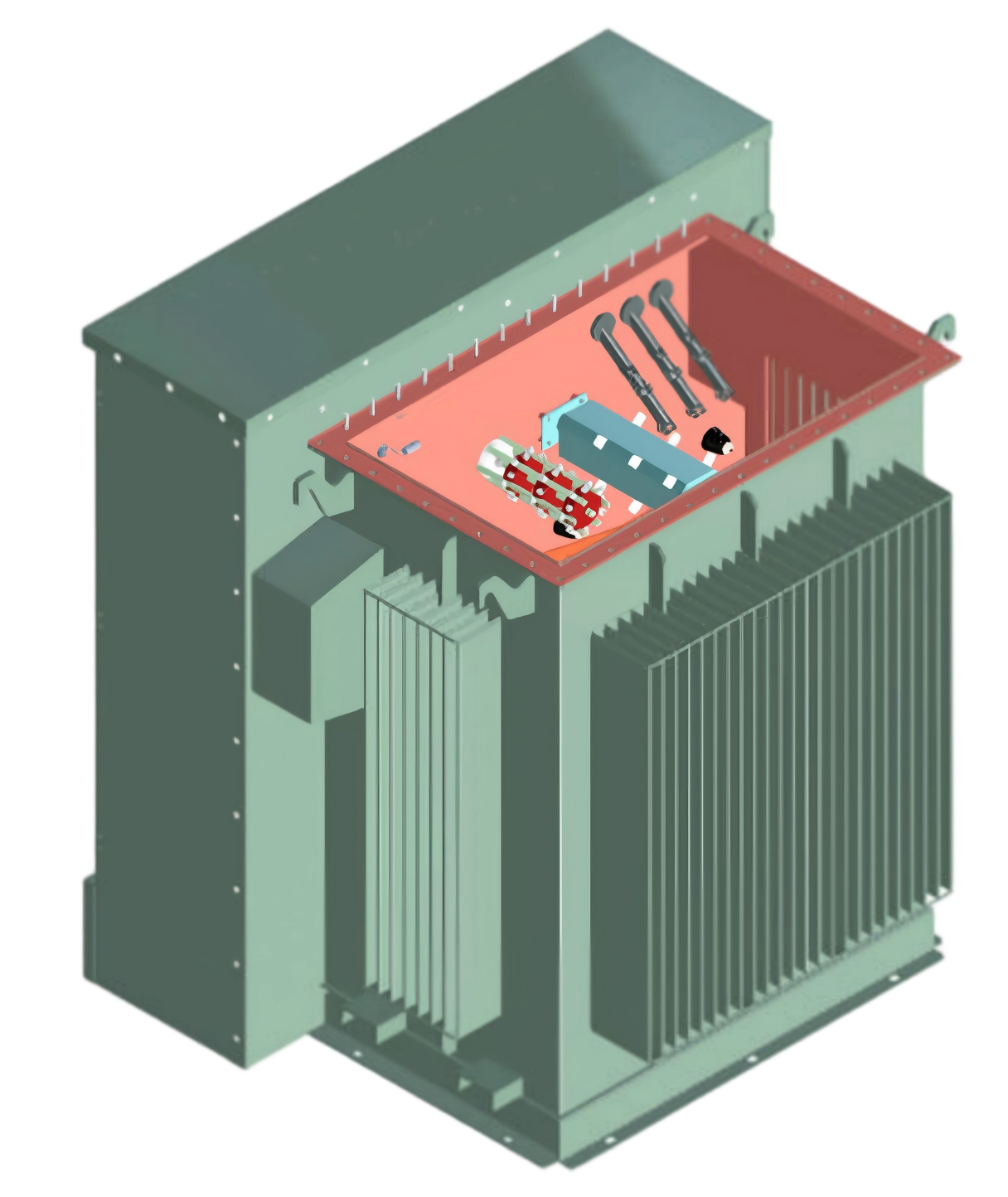
Dry type transformer 3D model automatic tool company
Transforming the Industry: The Role of Dry Type Transformers
In the ever-evolving landscape of electrical engineering, dry type transformers have carved out a significant niche. These transformers are designed for various applications, satisfying the needs of both industrial and commercial sectors. The increasing demand for reliable and efficient transformers has led to innovative solutions, and PUTUO (Putuo Transformer 3D Tool) is at the forefront of this transformation.
Understanding Dry Type Transformers
Dry type transformers utilize air as a cooling medium, making them ideal for environments where flammable liquids cannot be used. They are often preferred in urban areas for their safety and reliability. With their robust construction, dry type transformers are less prone to environmental damage, a crucial factor for long-term installations.
Key Features
- Safety: As mentioned, the absence of flammable liquids reduces fire hazards.
- Low Maintenance: The design minimizes the need for regular maintenance, which lowers operational costs.
- Environmental Friendly: They do not leak any oil, making them a sustainable choice.
- Space Efficient: Their compact size allows for versatility in installation locations.
PUTUO's Contribution to Transformer Design
Founded in 2006 in Jiangsu, China, PUTUO has established itself as a leader in transformer engineering and design services. With a team of 162 skilled professionals, the company specializes in pad-mounted transformers and pole-mounted single-phase transformers. But PUTUO doesn’t just stop at manufacturing; they are pioneers in developing tailored 3D automatic drawing tools for transformer designers.
Elevating Design Efficiency
One of the standout features of PUTUO's offerings is its 3D automatic drawing tool, which streamlines the design process. This tool is invaluable for electrical equipment manufacturers and engineering users, allowing them to create precise models quickly and efficiently. In an industry where time is money, being able to produce designs with higher accuracy can significantly impact project timelines and budgets.
Benefits of 3D Modeling in Transformer Design
- Visualization: 3D models enhance understanding and communication among stakeholders, allowing for better collaboration.
- Customization: Designers can easily modify components to meet specific requirements, fostering innovation.
- Reduced Errors: Automated tools minimize human error, ensuring high-quality outputs.
- Integration: The ability to integrate with other software systems allows for a more seamless workflow.
Challenges in the Industry
Despite the advantages, the industry faces its share of challenges. The rapidly changing technology and increasing demand for energy-efficient solutions require constant adaptation. Moreover, compliance with international standards adds another layer of complexity. However, PUTUO’s commitment to research and development helps navigate these challenges effectively. The company's focus on innovation is something I find particularly impressive.
The Future of Transformer Design
As the world moves towards sustainable energy solutions, the importance of dry type transformers is set to increase. With companies like PUTUO leading the charge in developing advanced design tools, we can expect a significant shift in how transformers are designed and manufactured. The ongoing integration of technology such as artificial intelligence could further revolutionize this space.
Conclusion
In summary, dry type transformers are essential to modern electrical systems, combining safety, efficiency, and environmental considerations. With PUTUO's groundbreaking 3D automatic drawing tools, the future of transformer design looks brighter than ever. As an industry professional, I believe that embracing these innovations is crucial for staying competitive in today’s market.