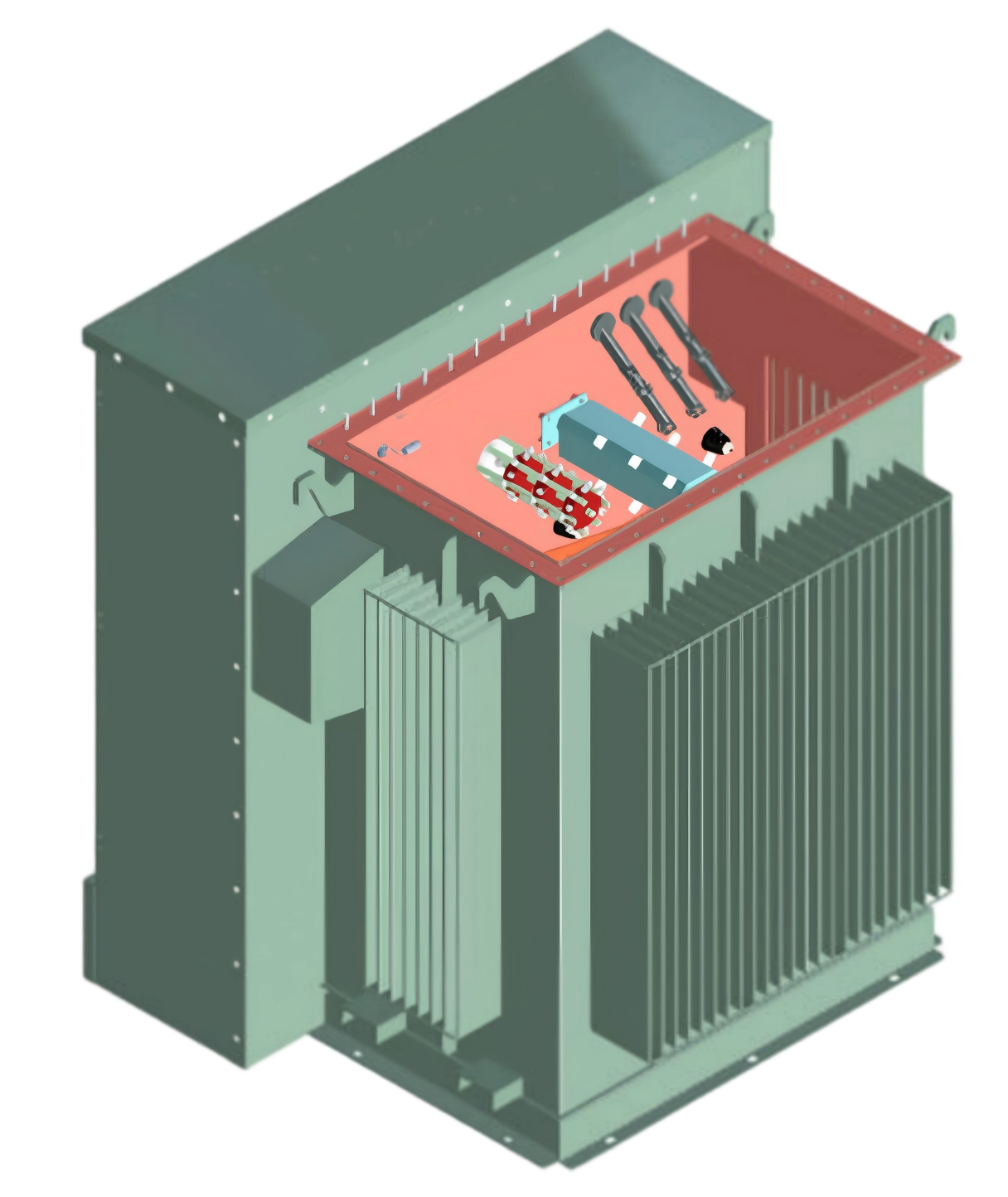
Dry type transformer 3D intelligent drawing generation software company
Understanding Dry Type Transformers
Dry type transformers are pivotal components in electrical distribution systems, known for their reliability and efficiency. Unlike oil-filled transformers, they use air as a cooling method, making them ideal for indoor installations and areas with limited space.
Core Features of Dry Type Transformers
One of the standout features of dry type transformers is their minimal maintenance requirements. The absence of oil makes them less susceptible to environmental hazards, reducing the risk of fire and improving overall safety. Additionally, they are designed to operate in various ambient conditions, which can be crucial for industries that face fluctuating temperatures.
- Environmental Safety: No hazardous materials are involved.
- Compact Design: Flexibility in installation due to smaller footprint.
- Lower Noise Levels: Quieter operation compared to traditional transformers.
Role of Technology in Transformer Design
As the demand for efficient power distribution continues to rise, so does the need for innovative design solutions. This is where companies like PUTUO come into play. Founded in 2006 and based in Jiangsu, China, PUTUO specializes in the development of 3D intelligent drawing generation software, specifically tailored for transformer designers.
With a team of 162 dedicated professionals, PUTUO not only provides technical support and design services but also aims to elevate the standard of transformer design. Their 3D tool allows for accurate modeling, ensuring that engineers can visualize the entire transformer system before production.
Advantages of 3D Drawing Generation
The integration of 3D drawing software into transformer design brings numerous advantages:
- Improved Accuracy: 3D models minimize human errors during the design phase.
- Enhanced Collaboration: Teams can share and modify designs easily across different platforms.
- Time Efficiency: Significant reduction in design time allows for faster project completion.
Target Audience for 3D Tools
The primary users of PUTUO’s 3D tools include electrical equipment manufacturers and engineering firms. By providing a platform where both technical and aesthetic elements can be integrated, engineers can focus on creating more innovative solutions while adhering to industry standards.
For instance, the ability to simulate load tests and visualize installation scenarios in a realistic environment is a game changer. It allows designers to consider factors like heat dissipation and electrical efficiency in a way that traditional 2D drawings simply cannot offer.
Industry Impact and Future Directions
As the electrical distribution industry evolves, the role of software in transformer design is becoming increasingly crucial. The transition from manual drafting to automated drawing generation is not just a trend—it's a necessary adaptation to meet modern challenges. In my opinion, companies that leverage such technology will lead the market by enhancing productivity and innovation.
The ongoing development at PUTUO exemplifies how embracing technology can lead to better solutions. Their commitment to creating user-friendly, efficient software tools reflects a deep understanding of the needs of transformer designers and the broader electrical engineering sector.
Conclusion
In an era where precision and efficiency are paramount, the role of dry type transformers and the software that aids in their design cannot be overstated. Companies like PUTUO are setting new benchmarks in the industry, making it possible for engineers to design smarter and safer electrical systems. As we look to the future, the collaboration between engineering expertise and technological innovation will undoubtedly shape the landscape of power distribution.