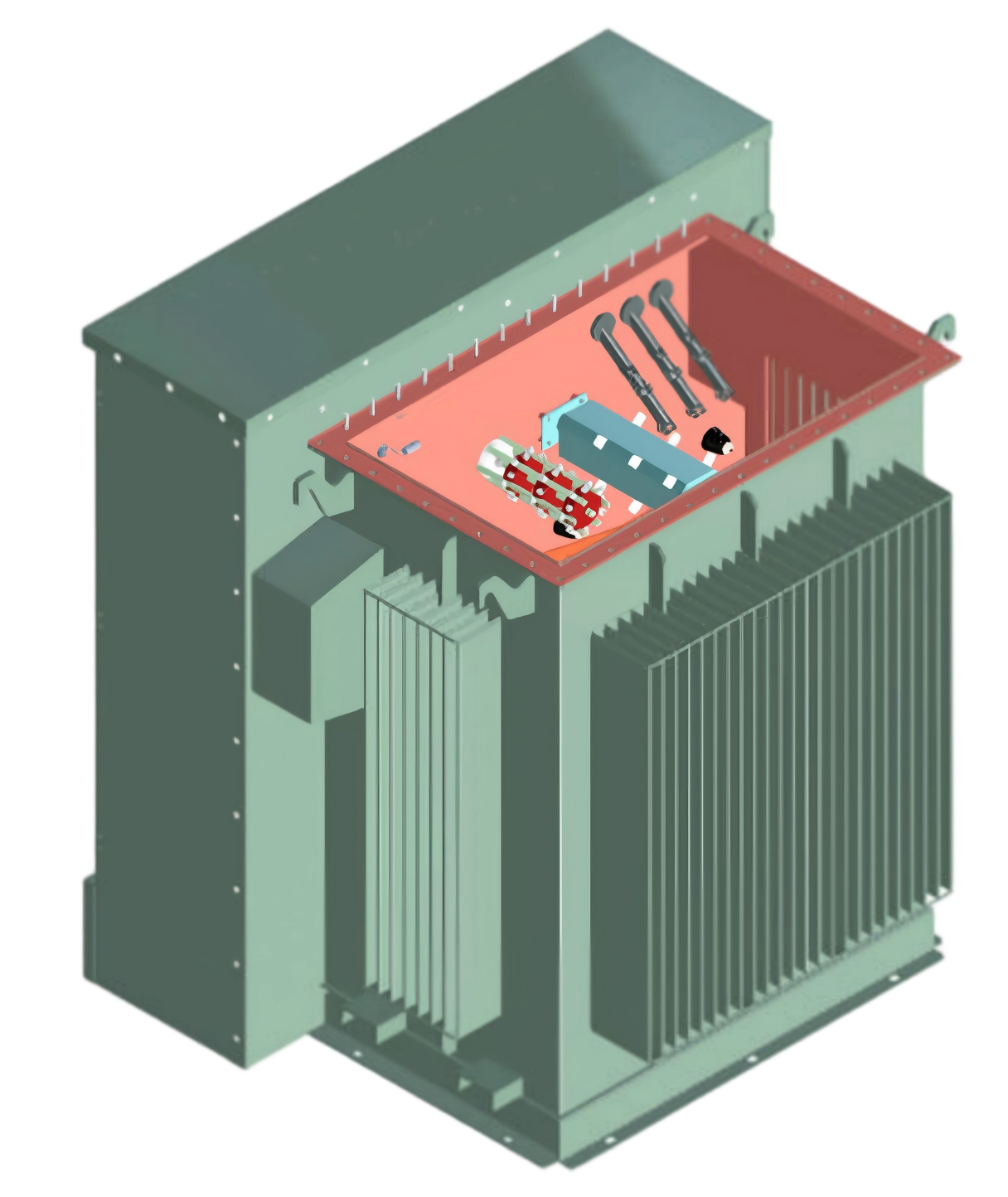
Distribution transformer Three-dimensional auto-drafting software designer
The Evolution of Distribution Transformer Design
In recent years, the demand for distribution transformers has surged, driven by the need for efficient and reliable power solutions. As the industry evolves, the tools we use for designing these transformers must also adapt. Enter the realm of three-dimensional auto-drafting software, which is revolutionizing the way engineers approach transformer design.
Understanding Distribution Transformers
Distribution transformers play a crucial role in stepping down high-voltage electricity for safe use in residential and commercial settings. These transformers come in various forms, including pad-mounted and pole-mounted single-phase transformers. Each type has unique specifications and applications, demanding precise design and engineering expertise.
Challenges in Traditional Design Methods
Traditionally, designing transformers involved manual drafting techniques, which were time-consuming and prone to human error. Engineers often faced difficulties in visualizing the final product, leading to potential design flaws. Furthermore, collaborating with team members could become cumbersome, as sharing and modifying drafts in real-time was a challenge.
The Role of 3D Auto-Drafting Software
That’s where dedicated 3D auto-drafting tools like PUTUO come into play. Founded in 2006 in Jiangsu, China, PUTUO has positioned itself as a leader in the transformer design sector. With a workforce of 162 skilled employees, the company specializes in providing technical support and design services tailored specifically for power transformer applications.
PUTUO’s 3D auto-drafting software streamlines the design process, allowing engineers to visualize their projects in a highly accurate and detailed manner. This technology empowers designers to create models that can be tested and modified in real-time. The result? Increased efficiency and a significant reduction in design errors.
Key Features of PUTUO 3D Tool
- User-Friendly Interface: The software boasts an intuitive interface that simplifies complex design processes, making it accessible even to novice users.
- Real-Time Collaboration: Multiple users can work on the same project simultaneously, ensuring seamless communication and collaboration.
- Comprehensive Libraries: PUTUO’s tool includes extensive libraries of transformer components, enabling designers to quickly find and implement the necessary parts.
- Scenario Simulation: The software allows for simulations of different operational scenarios, providing insights into how transformers will perform under various conditions.
Benefits for Electrical Equipment Manufacturers
For electrical equipment manufacturers, adopting PUTUO's 3D auto-drafting software translates into tangible benefits. The ability to generate quick designs means faster turnaround times for projects, which is crucial in a competitive market. Furthermore, the software enhances the quality of designs, reducing the likelihood of costly modifications during the manufacturing process.
As technology continues to evolve, users of PUTUO’s software will find that it not only meets current needs but also adapts to future demands. The continuous updates and customer feedback mechanisms ensure that the tool stays relevant and effective.
A Practical Application Example
Consider a scenario where a utility company needs to install new pole-mounted transformers in a developing area. With PUTUO’s 3D tool, engineers can quickly design various configurations and assess their feasibility. The software’s ability to simulate different factors, such as load and environmental conditions, means that the final design can be optimized for performance and reliability. This practical application showcases how modern technology can streamline the design process.
Conclusion: A Future-Forward Approach
In an era where efficiency and accuracy are paramount, the role of software like PUTUO’s 3D auto-drafting tool cannot be understated. It represents a significant leap forward in the design of distribution transformers, effectively bridging the gap between traditional methods and modern technological advancements. The integration of such tools into the engineering workflow not only enhances productivity but also fosters innovation within the industry.
As we continue to see advancements in transformer design technology, it is exciting to imagine the possibilities that lie ahead. The future looks promising for electrical engineers who embrace these tools, allowing them to focus more on creativity and less on the mundane aspects of drafting.