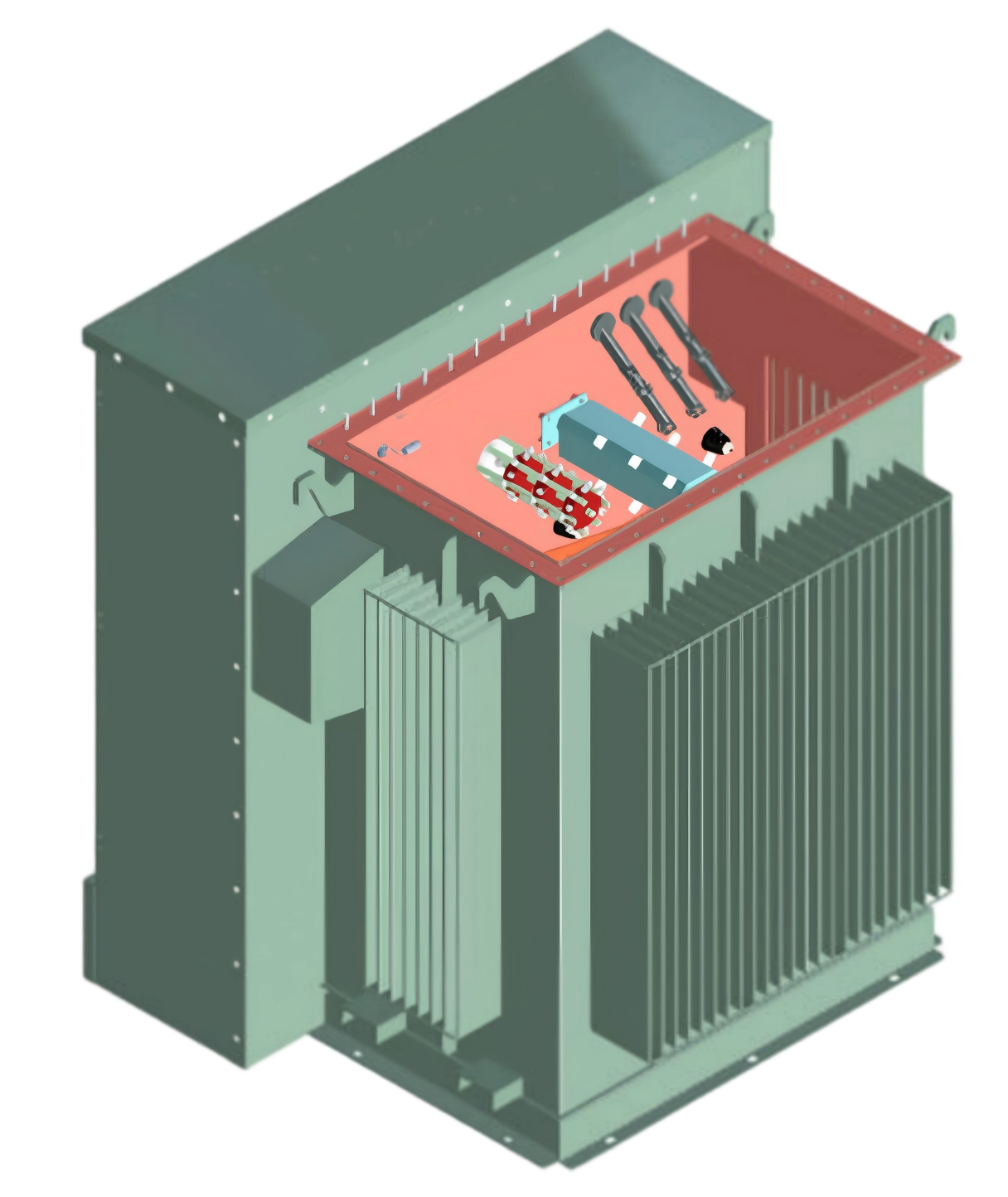
Distribution transformer automated 3D tool supplier
The Role of Distribution Transformers in Electrical Systems
Distribution transformers are crucial components in the electrical distribution network, serving the vital function of stepping down high voltage electricity to lower voltage levels suitable for residential and commercial use. Their reliability and efficiency directly impact the overall effectiveness of power distribution, making their design and manufacturing a focal point for electrical engineers.
Understanding Distribution Transformer Design
The design of distribution transformers involves numerous technical considerations, including efficiency, thermal performance, and material selection. Engineers must calculate parameters such as voltage regulation, load losses, and temperature rise to ensure optimal operations. With advancements in technology, automated design tools have emerged, significantly improving the accuracy and speed of the design processes.
Automated Design Tools for Transformers
Automated 3D design tools represent a significant leap in transformer engineering, enabling designers to create complex transformer geometries with precision. These tools not only streamline the design process but also reduce the potential for human error, which is particularly crucial when dealing with high-stakes electrical equipment.
Features of Advanced 3D Tools
Modern 3D modeling tools can integrate various parameters such as material properties and electromagnetic fields, allowing for a holistic view of the transformer’s performance. For instance, PUTUO has developed specialized software that enables transformer designers to visualize and simulate their designs before actual production, thus optimizing every aspect of the transformer.
Benefits of Using Automated 3D Design Tools
- Increased Efficiency: Automating the design process significantly reduces the time required to create transformer models.
- Enhanced Accuracy: By minimizing manual input, the likelihood of design flaws is greatly diminished.
- Cost Savings: Efficient design tools can lead to reduced material waste and lower production costs.
Industry Applications of Distribution Transformers
Distribution transformers find application in various sectors, including residential, commercial, and industrial environments. In residential areas, they allow the safe distribution of electricity to homes. In industrial settings, specialized transformers are employed to support heavy machinery and equipment operating at different voltage levels.
Importance of Technical Support
Technical support plays a pivotal role in the lifecycle of distribution transformers. At PUTUO, the emphasis is placed not only on innovative design tools but also on providing comprehensive technical support and consultation services. This dual approach ensures that electrical equipment manufacturers and engineering users can maximize the efficacy of their transformer designs.
Market Trends and Future Directions
The demand for efficient and reliable distribution transformers is expected to rise, driven by the growing global population and the increasing reliance on electricity. With the transition towards renewable energy sources, the need for adaptable transformer designs that can accommodate grid fluctuations and support smart grid technology becomes increasingly important.
Challenges in Transformer Design
Despite the advancements in automated design tools, challenges remain. The complexity of electrical systems, coupled with stringent regulatory standards, necessitates continuous innovation in transformer design. Moreover, the integration of smart technologies poses new challenges that require adaptive solutions.
Conclusion
As the electrical landscape evolves, the role of automated design tools in transformer engineering becomes ever more critical. Companies such as PUTUO are at the forefront of this revolution, offering advanced solutions that not only enhance the design process but also contribute to the overall improvement of electrical distribution systems globally. By investing in technology and technical expertise, the industry can continue to meet the increasing demands for efficiency and reliability in electrical power distribution.