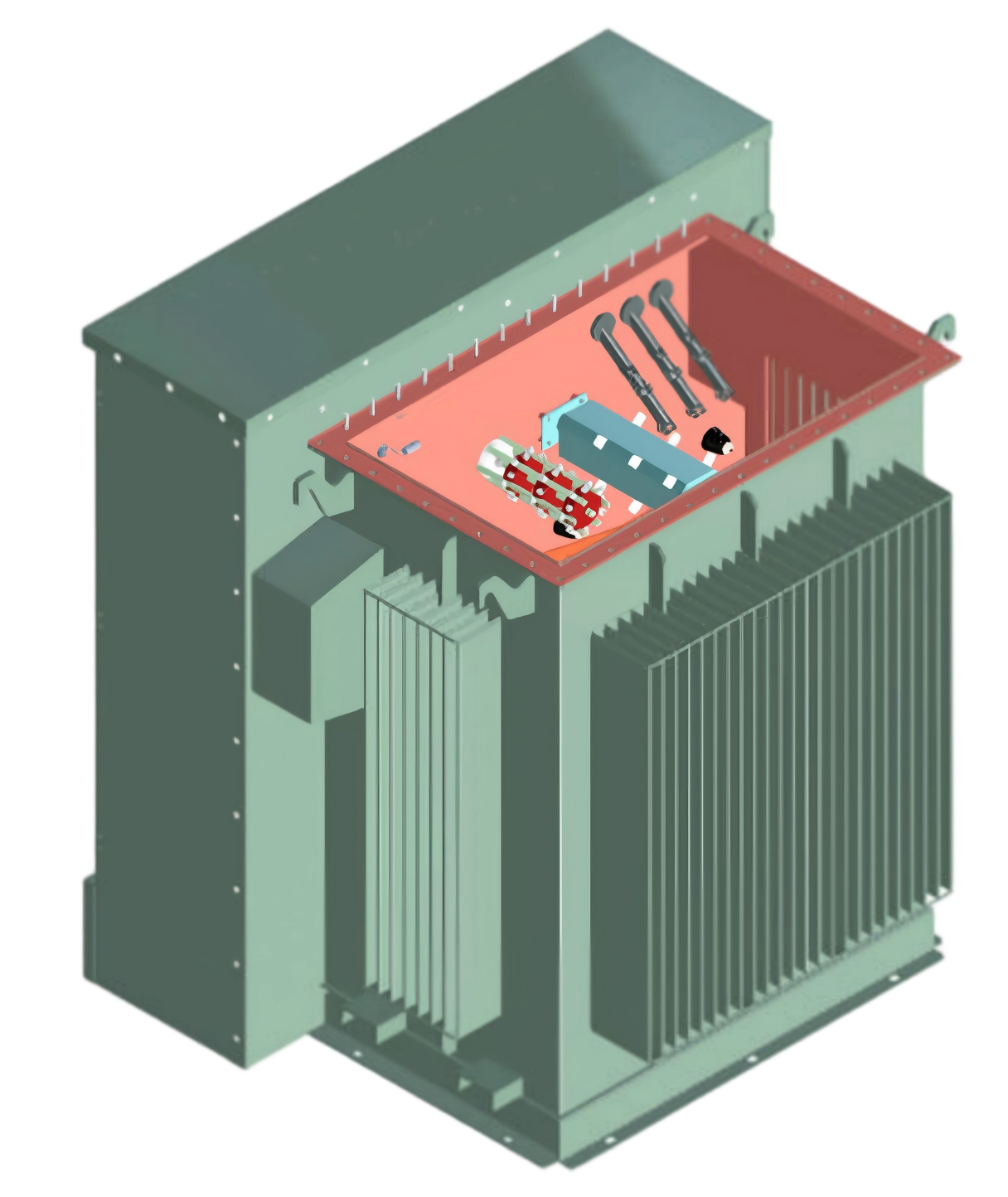
Distribution transformer 3D automated drawing generation software supplier
The Transformation of Design Efficiency in Power Transformers
In the world of electrical engineering, the importance of precise design cannot be overstated. Whether it’s for pad-mounted or pole-mounted single-phase transformers, having the right tools can significantly impact the efficiency and accuracy of the design process. This is where specialized software solutions come into play, and PUTUO's 3D automated drawing generation software stands out in the market.
Understanding PUTUO's Offerings
PUTUO, based in Jiangsu, China, has been at the forefront of transformer engineering since its establishment in 2006. With a dedicated team of 162 employees, the company not only provides technical support but also specializes in design services tailored for power transformers. This dual role allows PUTUO to offer comprehensive solutions to electrical equipment manufacturers and engineering users.
THE NEED FOR AUTOMATION IN TRANSFORMER DESIGN
The process of designing transformers can be lengthy and complex. It requires a deep understanding of electrical principles, mechanical structures, and regulatory standards. Manual designs are often prone to errors, which can lead to costly delays and safety issues. This is exactly where PUTUO's automation tools come into the picture. By using their 3D drawing software, designers can streamline their workflow, ensuring that every aspect of the transformer is accounted for before physical production begins.
- Increased Design Accuracy: Automated tools minimize the likelihood of human error.
- Enhanced Collaboration: 3D models can easily be shared among teams, facilitating feedback and improvements.
- Time Efficiency: Automating repetitive tasks allows designers to focus on critical aspects of their work.
A DEEP DIVE INTO THE SOFTWARE FEATURES
PUTUO's 3D automated drawing generation software is not just a run-of-the-mill tool; it is engineered specifically for the unique challenges faced by transformer designers. Some notable features include:
- Customizable Templates: Users can create templates tailored to specific transformer designs, reducing the need to start from scratch each time.
- Integrated Calculations: The software incorporates essential calculations to ensure compliance with industry standards, relieving designers from the burden of manual computations.
- Real-time Error Detection: As designs are created, the software checks for inconsistencies or violations of design rules, providing instant feedback.
These features make it easier for both novice and experienced designers to produce high-quality drawings that meet stringent industry standards.
Benefits for Electrical Equipment Manufacturers
For electrical equipment manufacturers, the efficiency gained from using PUTUO’s software can translate into significant cost savings and faster time-to-market. By reducing the design cycle, manufacturers can allocate resources more effectively, enhancing their competitiveness. Furthermore, the ability to produce accurate designs means fewer revisions and changes during the manufacturing process, which can be a major source of waste.
THE FUTURE OF TRANSFORMER DESIGN
As technology continues to evolve, the demand for smarter and more efficient design tools will only grow. PUTUO remains committed to staying ahead of the curve by continuously updating their software with the latest advancements in automation and design principles. Additionally, the company’s ongoing customer support ensures that users are not just left to figure things out on their own—there’s a wealth of knowledge and expertise available at their fingertips.
Conclusion
In an industry where precision and efficiency are crucial, PUTUO's 3D automated drawing generation software offers a blend of innovation and reliability. For transformer designers and manufacturers alike, adopting such tools is more than just a trend—it’s a necessity for staying relevant in a competitive marketplace. In the end, embracing automation may just be the key to unlocking the full potential of transformer design.