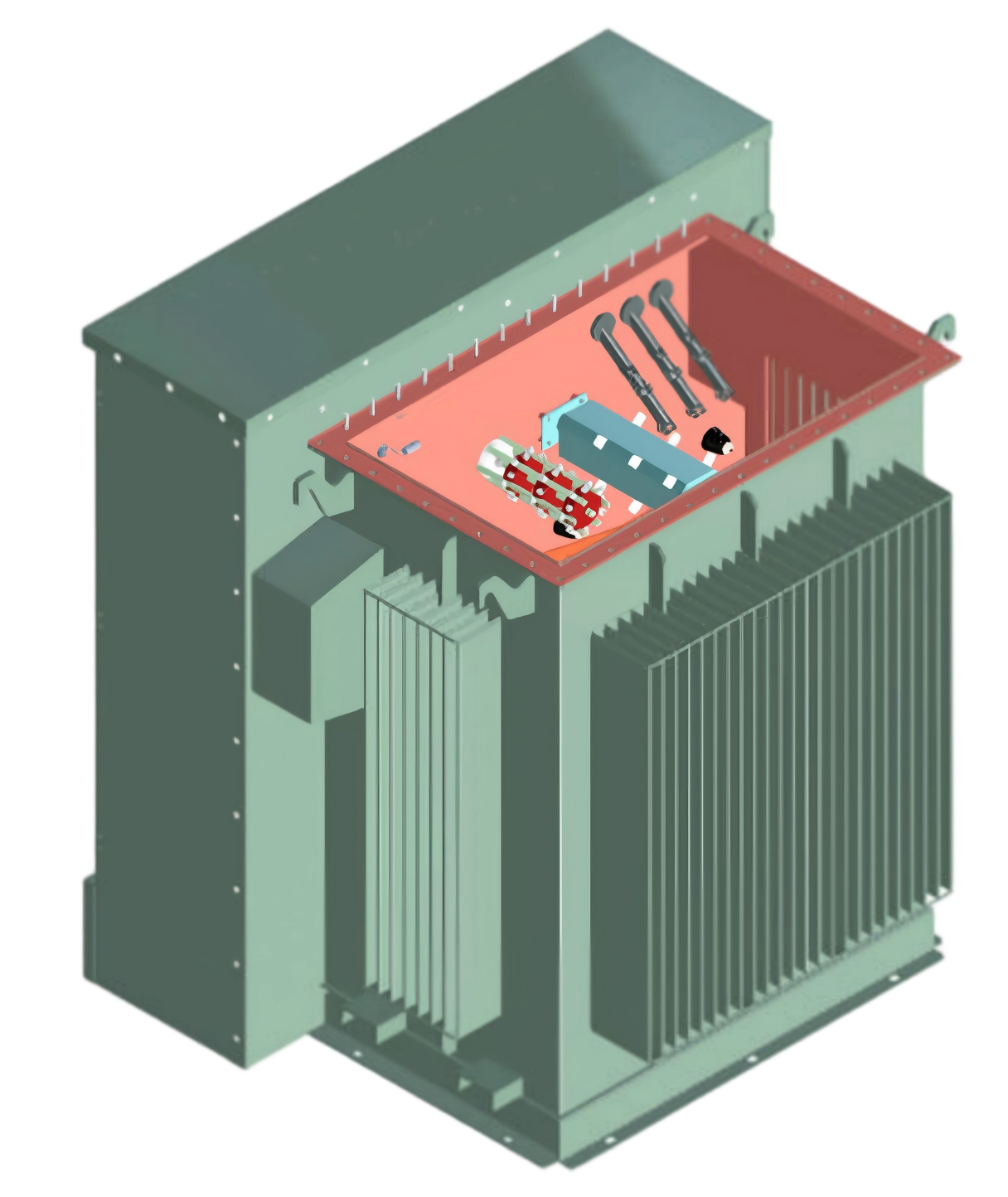
3 phase transformer Three-dimensional automated drawing generation software company
The Rise of Three-Dimensional Transformer Design Software
In a rapidly evolving electrical engineering landscape, the demand for efficiency and accuracy in transformer design has prompted a significant shift towards automated solutions. Among the notable players in this field is PUTUO, a Jiangsu-based company that has carved out a niche for itself since its inception in 2006. Specializing in power transformers, PUTUO has not only developed a suite of technical support services but has also innovated in the realm of 3D automated drawing generation.
Understanding the Demand for Automation
Transformers are critical components in electrical distribution, and their design can be quite complex. The traditional manual drafting methods often lead to inefficiencies and errors. This is where automated drawing tools come into play. By leveraging advanced software, designers can create precise 3D models, streamline workflows, and significantly reduce the time spent on drafting.
- Efficiency: Automated tools can generate drawings in a fraction of the time it would take manually.
- Accuracy: With built-in validation checks, software minimizes human errors.
- Integration: Modern 3D tools can easily integrate with existing design systems.
PUTUO: A Dual Focus on Design and Engineering
PUTUO stands out as both a transformer engineering service provider and a developer of 3D automatic drawing tools. With a team of 162 highly skilled employees, the company has positioned itself to meet the growing needs of electrical equipment manufacturers and engineering users. Their focus on pad-mounted and pole-mounted single-phase transformers ensures that they remain at the forefront of transformer technology.
One of the key advantages of working with PUTUO is their ability to meld engineering expertise with software development. This dual focus enables them to create design tools that not only meet the technical requirements of their clients but also enhance the overall user experience. For instance, the PUTUO 3D Tool simplifies complex design processes, making them accessible even to those new to transformer design.
Features of the PUTUO 3D Tool
The PUTUO 3D Tool is packed with features that cater to the unique requirements of transformer design:
- User-Friendly Interface: Designed for both novice and experienced users, the tool's interface is intuitive and easy to navigate.
- Real-Time Collaboration: Multiple users can work on a project simultaneously, ensuring that input can be gathered from various stakeholders efficiently.
- Customizable Templates: Users can create templates tailored to specific project needs, enhancing workflow and consistency.
- Advanced Validation: The software checks designs against engineering standards, reducing the risk of errors.
Real-World Applications
In practical terms, the impact of using PUTUO’s 3D automated drawing tool can be observed in various scenarios. For instance, when a new substation is being designed, the software allows engineers to visualize the entire layout, including transformer placements, spatial constraints, and integration with existing infrastructure. This level of visualization not only aids in design but also facilitates better communication among team members and clients.
Moreover, by reducing the lead time from design to implementation, companies can respond more swiftly to market demands and project deadlines. In my experience, organizations that have adopted PUTUO's tools report higher project satisfaction rates, both from an execution standpoint and a client feedback perspective. Actualy, this can be a game-changer for companies operating in high-stakes environments where time and accuracy are of the essence.
Conclusion
The transformation of the electrical engineering sector through automation is undeniable. With companies like PUTUO leading the charge, the future of transformer design looks not only more efficient but also more intuitive. As the industry continues to advance, those who embrace these technologies will likely find themselves at a distinct advantage, paving the way for innovations that we cannot yet imagine.