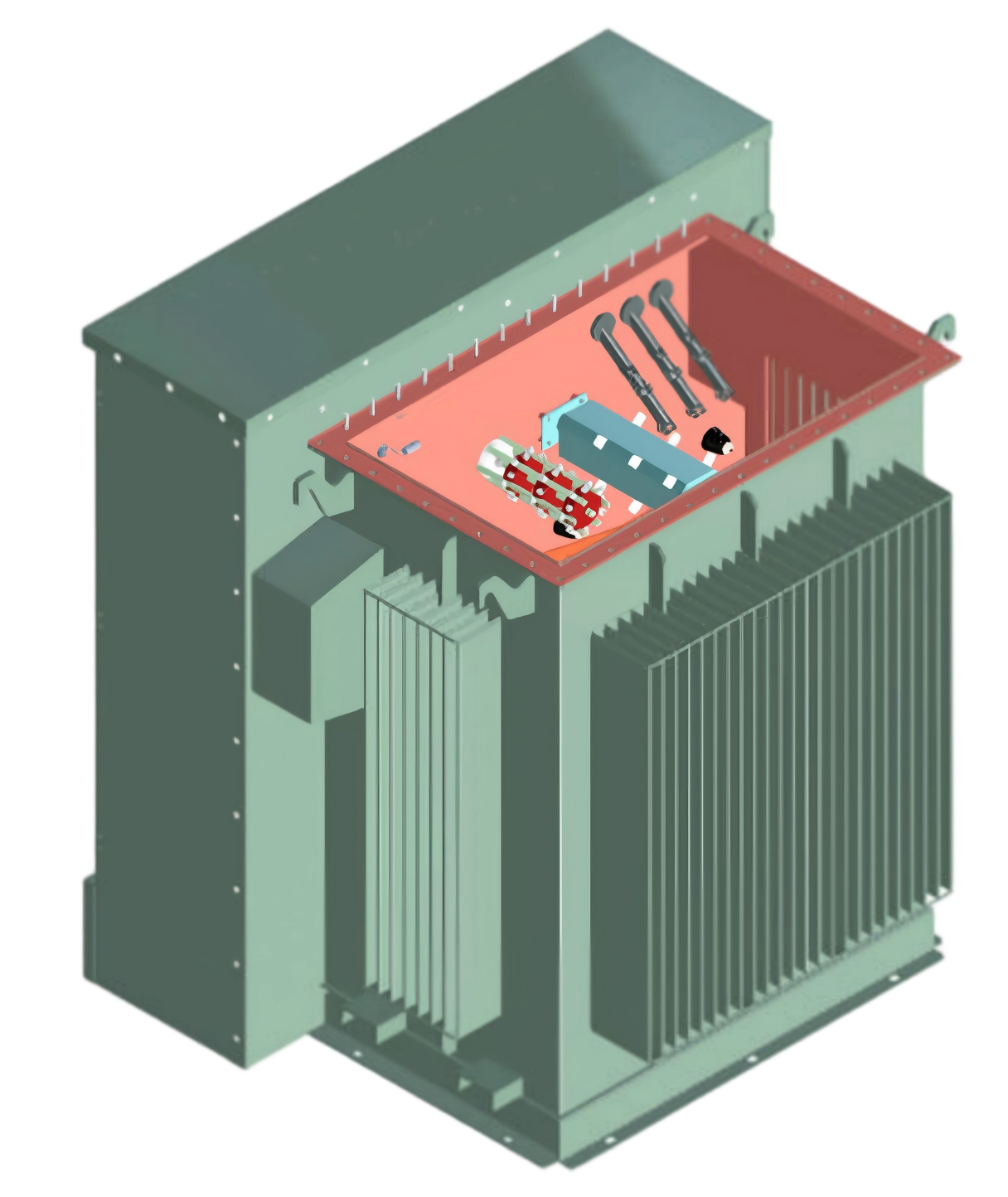
3 phase transformer automated Three-dimensional software sales
Understanding the Role of 3-Phase Transformers in Modern Applications
Three-phase transformers play a crucial role in the efficiency and reliability of power systems. Their design and functionality have evolved significantly over the years, and with that evolution comes the need for advanced tools to facilitate the design process. This is where dedicated software solutions, such as those offered by PUTUO, enter the picture.
The Basics of Three-Phase Transformers
Three-phase transformers are essential for transmitting power over long distances and ensuring stable electricity distribution. Unlike single-phase transformers, three-phase transformers can handle larger loads, making them ideal for industrial applications and large-scale electrical systems.
- Higher Efficiency: They reduce losses compared to single-phase systems by balancing loads effectively.
- Space Saving: A three-phase transformer takes up less space than three single-phase transformers, making it a more efficient choice for installations.
- Improved Voltage Regulation: These transformers provide better voltage regulation, ensuring a stable supply of electricity.
The Need for Automation in Transformer Design
Designing a transformer involves complex calculations and precise engineering. The traditional process can be time-consuming and prone to human error. This is where automation becomes invaluable. By utilizing dedicated 3D automated drawing tools, engineers can enhance the efficiency of their design workflows.
For example, PUTUO’s 3D design software not only facilitates the creation of detailed transformer models but also integrates technical support to assist users throughout the design process. The software’s user-friendly interface allows for quick adjustments and real-time simulations, which minimizes errors and speeds up project timelines.
Features of PUTUO’s 3D Transformer Software
With a strong foundation in transformer engineering and design services, PUTUO has developed software that meets the specific needs of its users. Here are some key features:
- Automated Drawing Generation: The software generates 3D models automatically, significantly reducing the time required for manual drafting.
- Customization Options: Users can tailor designs to fit specific project requirements, enhancing flexibility.
- Integration with Engineering Data: The software seamlessly integrates with existing engineering data, allowing for real-time updates and modifications.
Benefits for Electrical Equipment Manufacturers
Manufacturers who adopt automated designing tools like those from PUTUO can expect several advantages:
- Increased Productivity: With automated features, engineers can focus more on innovation rather than tedious drafting tasks.
- Higher Accuracy: Automation reduces the risk of errors, leading to accurate designs that meet all necessary standards.
- Enhanced Collaboration: The software facilitates better communication among team members, as everyone can access and modify designs in real-time.
Challenges in Transformer Design
While the benefits of automation are clear, there are still challenges that engineers face in transformer design. One of the most significant hurdles is keeping up with the rapid advancements in technology. As new materials and methods emerge, it’s crucial for design software to adapt accordingly.
Moreover, the integration of automated tools requires a shift in mindset. Engineers accustomed to traditional methods may need time to adjust to new technologies. However, the long-term benefits far outweigh these initial challenges.
The Future of Transformer Design
As we look ahead, the landscape of transformer design will continue to evolve. The adoption of 3D software solutions will likely become more widespread, especially as companies like PUTUO lead the charge in innovation. With advancements in artificial intelligence and machine learning, we could soon see designs that adapt and optimize themselves based on user input and historical data.
In conclusion, the integration of automated 3D design tools in transformer engineering not only enhances efficiency but also ensures that manufacturers can meet the growing demands of modern electrical systems. As we continue to push the boundaries of what's possible, the role of companies like PUTUO will be paramount in shaping the future of electrical design.